From Finglas to Hierapolis
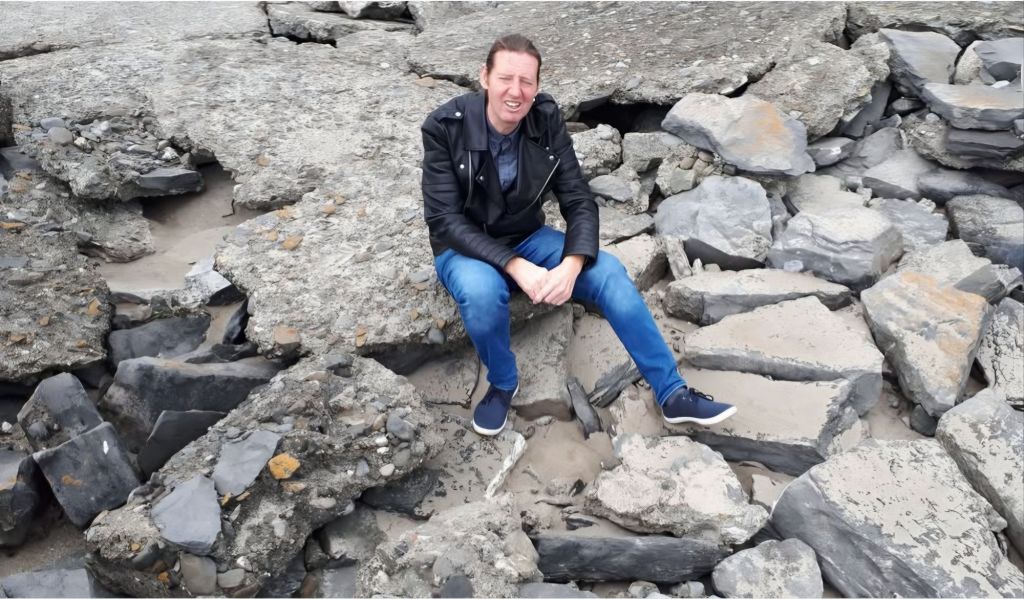
Sonic auteur Paul Woodward has created a Pet Sounds for the modern age.
Publication: The Circular
Image: Cover of Hierapolis (Album) copyright Ronan Hackett.
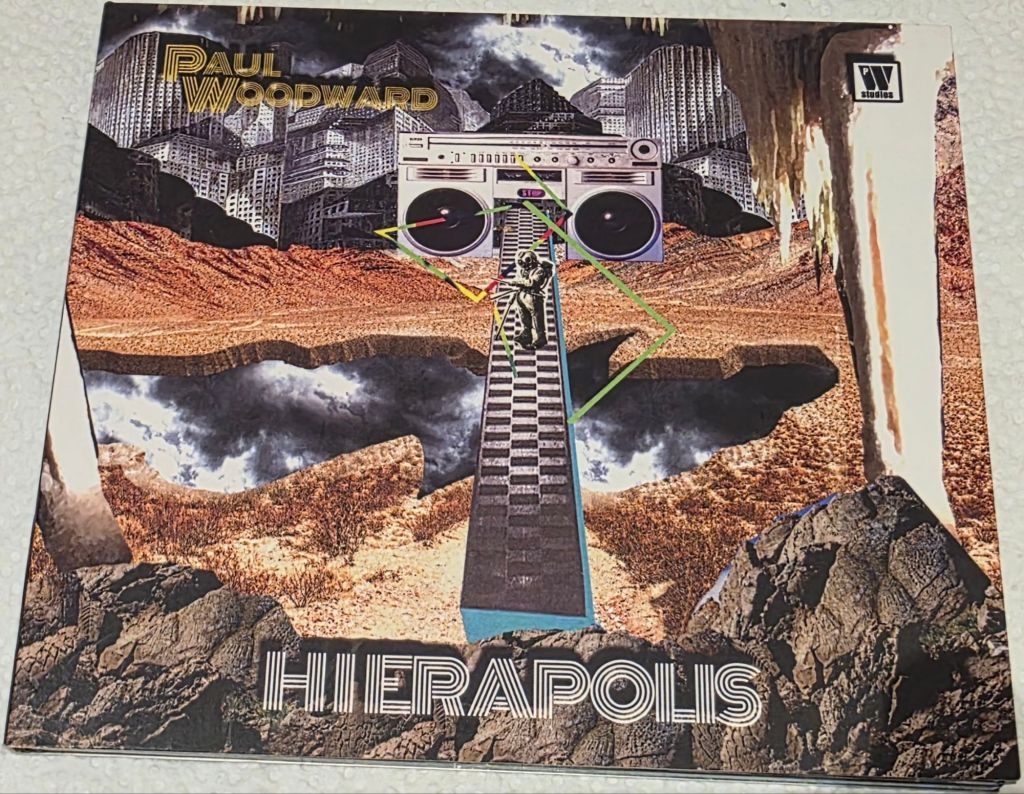
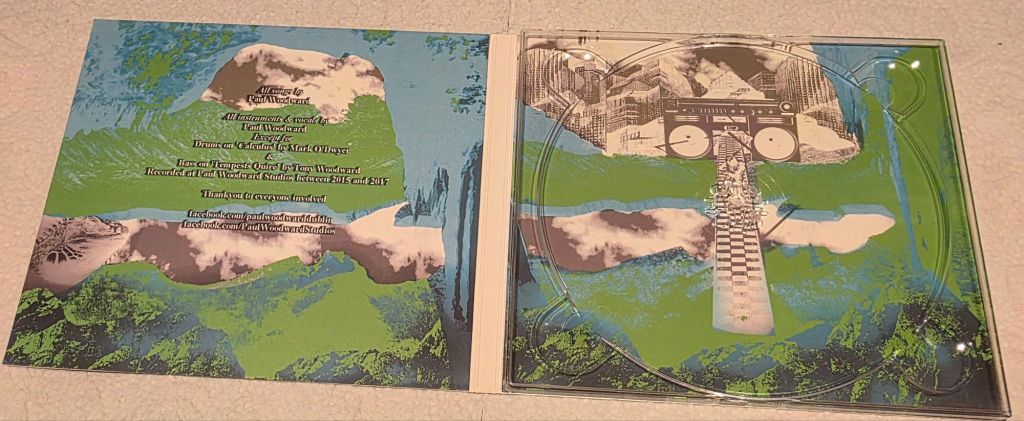
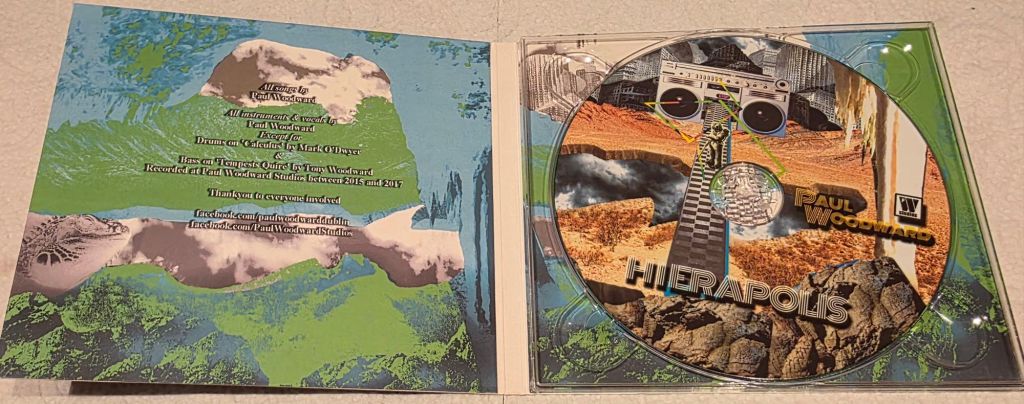
Hierapolis Book
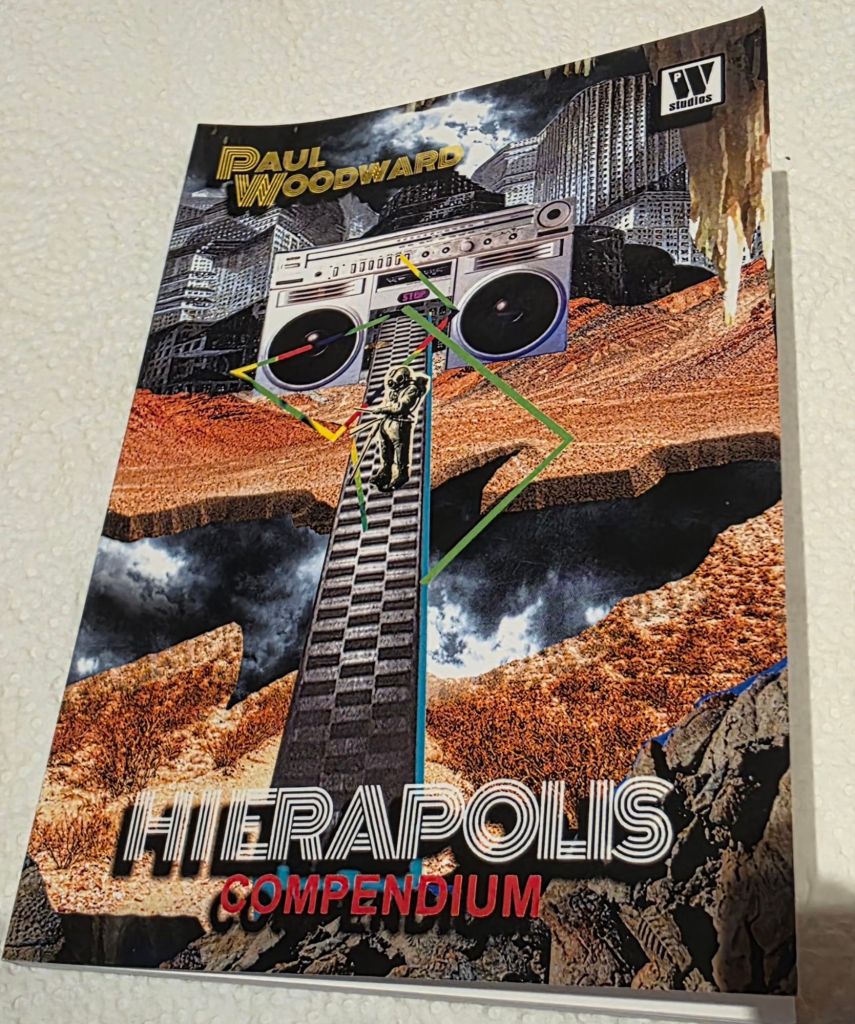
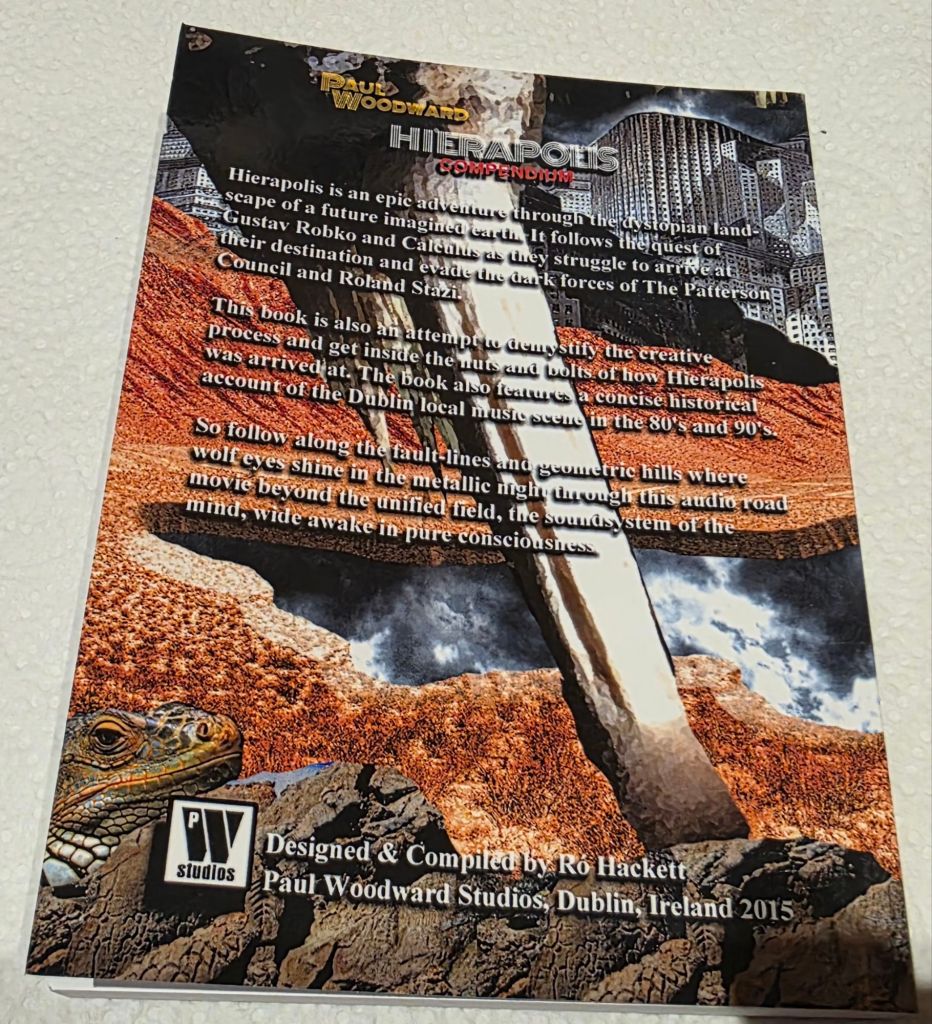
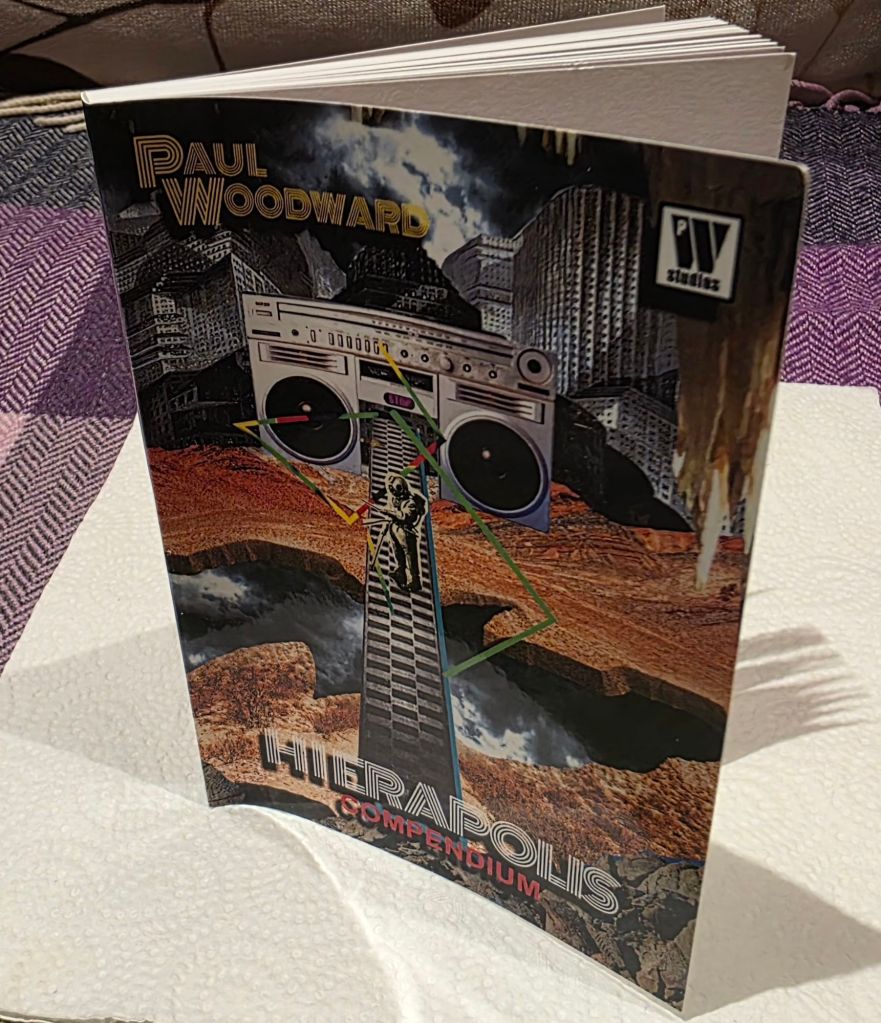
Press Article
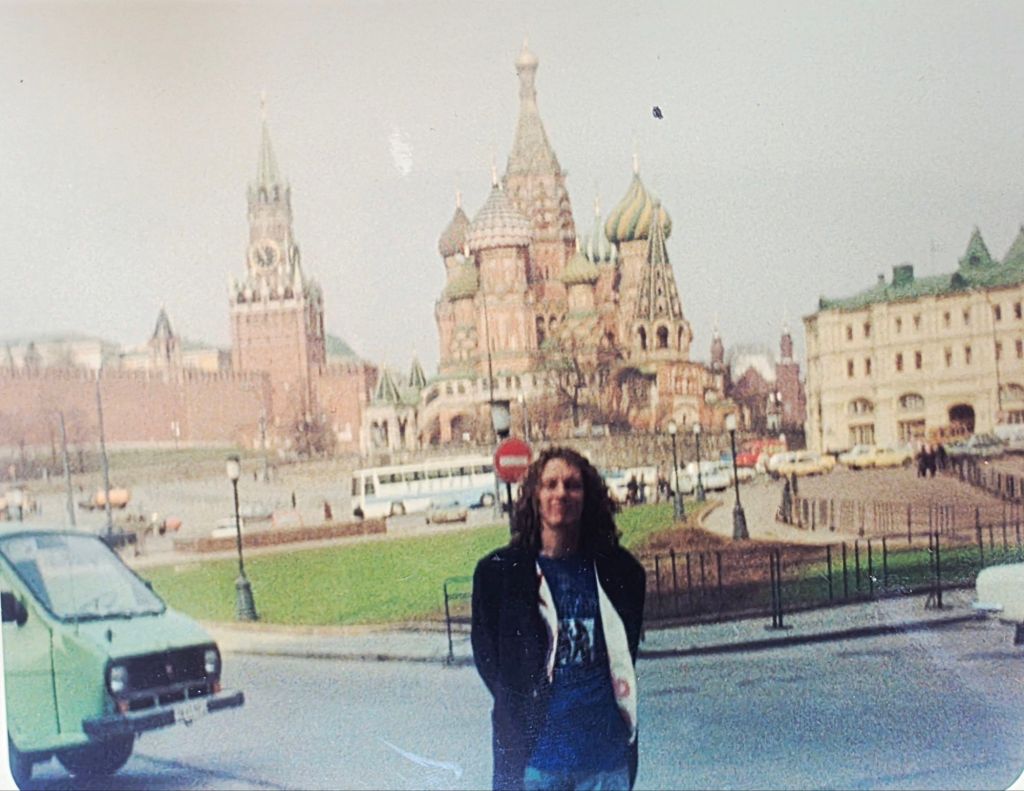
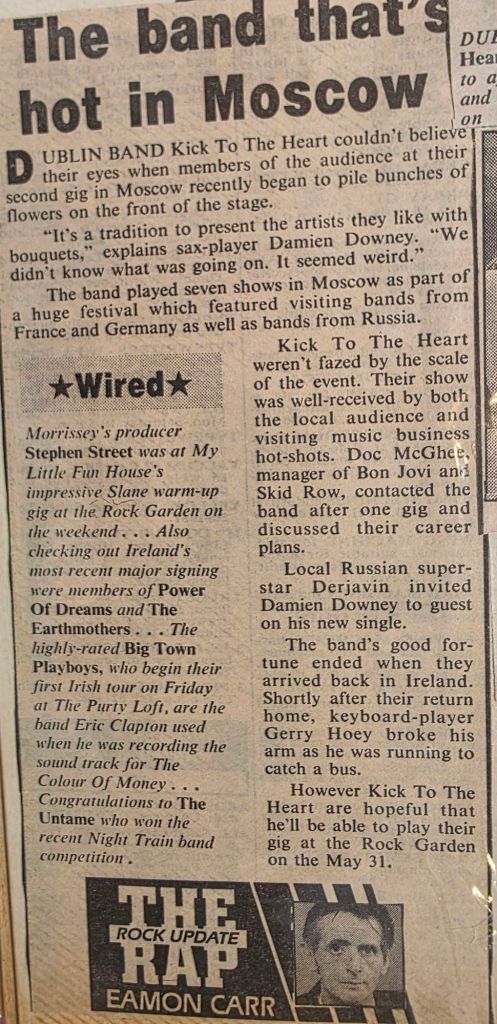
Sonic auteur Paul Woodward has certainly travelled a long distance. He cut his teeth within the thriving Finglas music scene of the 1980’s where bands like Asian, Alien Comfort, The D11 Runners and The Brilliant Trees reigned, to playing live in Moscow, New York and L.A.
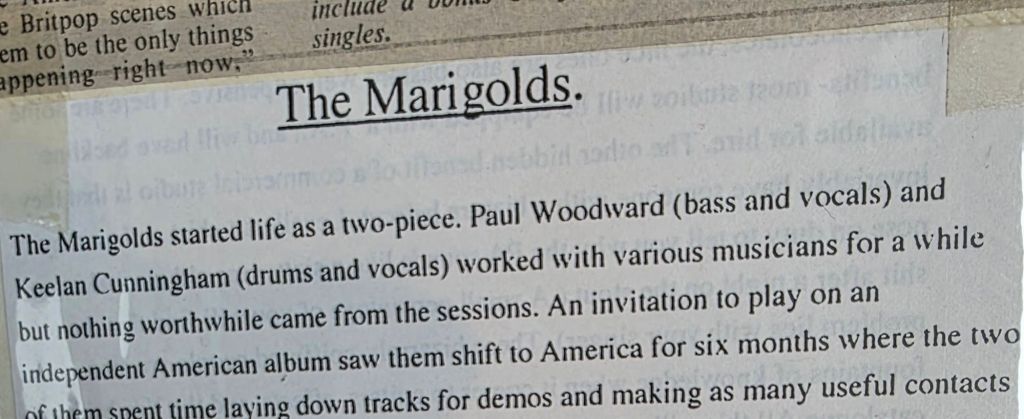
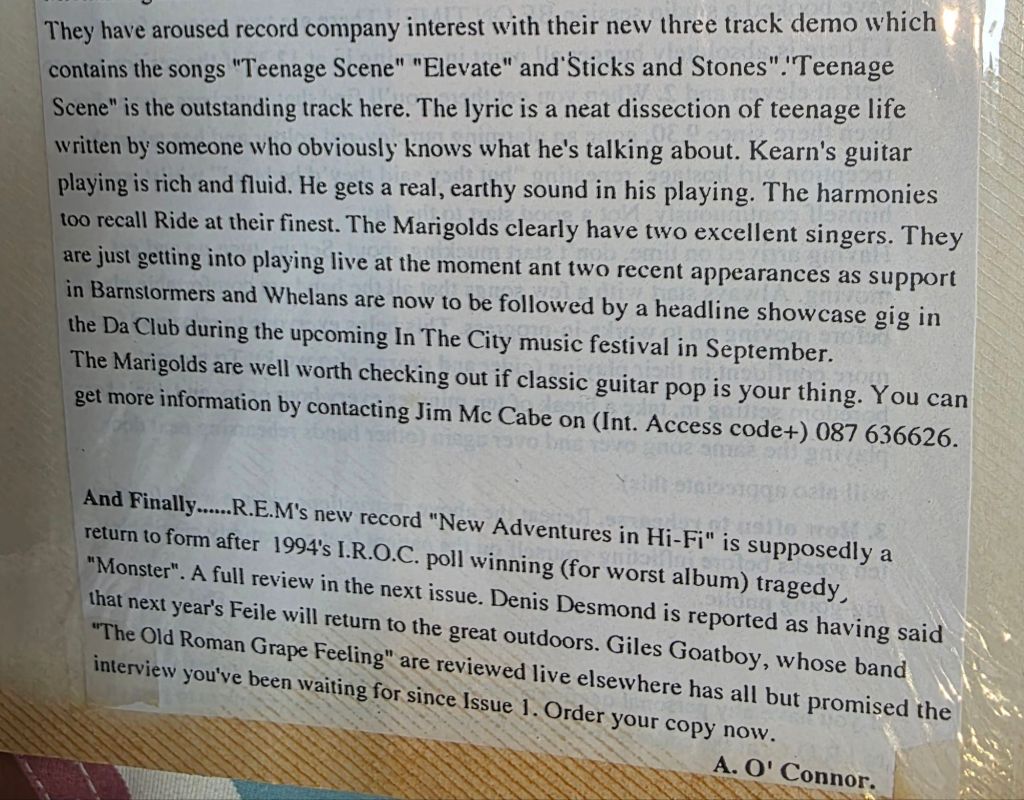
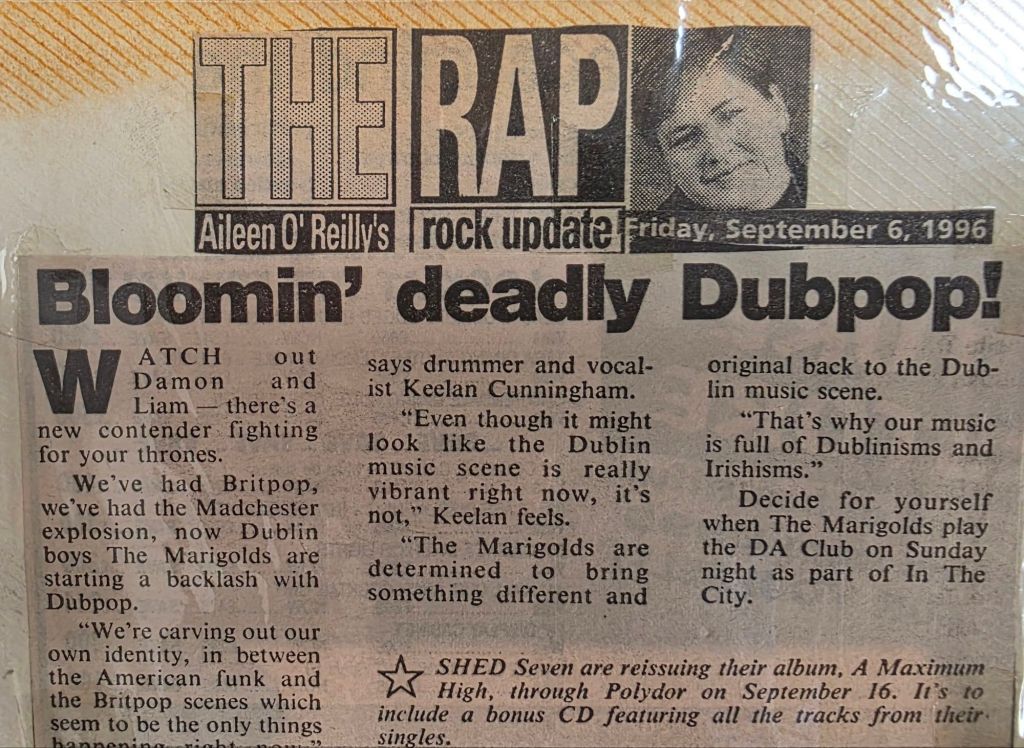
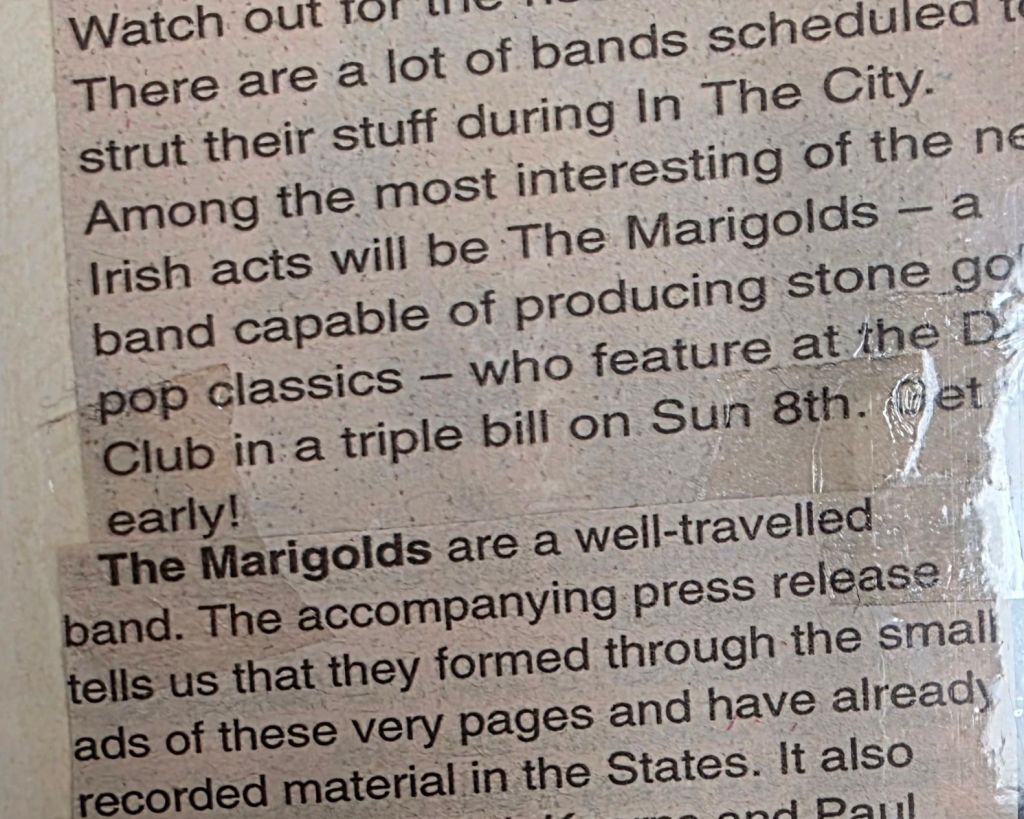
Having forged his musical path releasing critically acclaimed power pop with Kick to the Heart and The Marigolds and right up now with the imminent release of his third solo release Hierapolis, Paul discusses and attempts to demystify the process of creating art regardless of genre.
The idea for Hierapolis as a concept album was conceived when Paul and his wife Dorota holidayed in Turkey. They visited the ancient Roman city of the same name which is located seventeen kilometres north of Denizli, a hundred and fifty metres above the Lycos plains.
On returning home to Dublin he couldn’t shake the images of the ruins from his mind. Paul considered that this once great city still held some value in today’s consumerist disposable society. In his imagination a modern day Hierapolis was created along with a second city Cygnus – X7. Within these imagined cities the story of Gustav Rokko and The Patterson Council was born.
Paul made the conscious decision to write a concept album not dissimilar to those great bombastic concertos by Yes, Genesis, Utopia and Pink Floyd. In particular Paul cites Yes’ “Tales of topographic oceans” and Genesis – “The lamb lies down on Broadway” as major influences.
He felt that he could make a concept album and stay true to his indie roots by incorporating the technologies used to create dance and electronic music. This challenge led him on a journey where he began to source the electronic equipment he needed for Hierapolis.
Becoming somewhat of a forager Paul knew he could benefit from the golden rule of the electronics industry Moore’s Law. Intel co-founder George Moore observed that the number of transistors per square inch on integrated circuit boards doubles approximately every 18 months.
A consumerist driven society will always want what is new and here is where an insightful Paul saw an opportunity to purchase powerful equipment at knockdown prices. Paul stated “That just because something is old or perceived as outdated doesn’t mean it loses what it was designed for”.
A consumerist driven society will always want what is new and here is where an insightful Paul saw an opportunity to purchase powerful equipment at knockdown prices. Paul stated “That just because something is old or perceived as outdated doesn’t mean it loses what it was designed for”.
In the compendium he list 43 different types of electronic equipment he acquired including the following: Roland VS 24 80 Multitrack Recorder, Korg, Roland Juno 6 synth, Yamaha CS1X control synthesiser, Electribe ER1 Rhythm synthesiser. He also became interested in chip music or 8 bit music and began to accumulate sound cards from antiquated arcade and video games from Atari, Gameboy, and Sega master system among others.
Incorporating musique concrete elements of Stockhausen and Steve Reich with the minimalism of Phillip Glass, the soundscapes of Brian Eno and marrying it to the Teutonic Kraftwerk, the industrial Can and also by distilling the electro synth-pop of The Human League and Depeche Mode, Paul Woodward has created what he feels a coherent, sometimes cinematic piece that rewards the listener over and over again.
But when I asked him to explain the meaning of Hierapolis, Paul said, “At its heart, it was a futuristic dystopian tale where good ultimately triumphs over evil”, but to him, “Hierapolis was much more than this, the concept is fluid, constantly evolving and that at present Hierapolis is a 25 track musical composition with a documentary and a short compendium”.
Consumed by all things Hierapolis, Paul began writing the compositions to convey his dystopian tale. He realised that the approach to this project meant that he needed to change his style somewhat. He discarded all the instruments that he had employed in previous projects and in a sense he had swapped the electric for the electronic. Out went the guitars and came in their place a dizzy seemingly endless array of gadgets.
A serendipitous moment of clarity arrived when Paul realised that by moving away from traditional instruments he was also free to incorporate different musical structure forms. While still using the strophic form of verse-chorus-verse prevalent in western pop music, he began including other musical forms such as the traditional folk round, mantras, eastern prayer structure, sampling, musique concrete, modal and minimalistic elements in the sound pieces.
In Paul’s opinion all art is influenced by other art forms and he freely admits that “The move to electronic formats allowed him to concentrate the composing in terms of architectural infrastructure where each piece was built up block by block until he had something coherent”. He also became somewhat obsessed with the principles of sacred geometry and how in nature, patterns were repeated over and over again.
Paul knew that he could apply this naturally occurring phenomenon to Hierapolis and that he had made the right choice by moving to the electronic method. The repetitive patterns in sacred geometry infuse the meaning behind Hierapolis. One of the objectives behind the album was to create something that was accessible but not disposable.
He wanted to create a work of art that was listened to “From start to finish, as it was in the seventies. Back then it was almost ceremonial.
To me it was a spiritual feeling – everything – the artwork – the smell of the vinyl – the notes inside showing who played what”. He added that he became obsessed and began listening to everything. “I was a mod and a rocker at the same time, a punk, a ska head, a prog-rocker, a heavy metal fan, a folkie; I was into every genre going”. In the compendium accompanying the album, Paul recollects how consumed he became with the bass-line of a song called “Twist and crawl” by English ska combo The Beat. It took him weeks to learn by heart.
When asked if was he aware of a statement by Hazrat Inayat Khan “That there will come a day when music and its philosophy will become the religion of humanity”, Paul replied, “That for him, this conversion happened way back when he was a teenager discovering music for the first time”.
For Paul,” Great songs don’t come out of the ether; rather they are arrived at through a process where it is important to master your craft first”. He is well qualified to offer such an opinion as he is the owner of Paul Woodward Studios – a recording and rehearsal space in Dublin – where he has mentored and recorded many an aspiring musician including up and coming Rachel McCormack who had signed to Universal records and The Price Brothers who have got into the final six of 2017’s X-Factor.
With the lead single Synergy it is quite probable that Paul has made the first selfie-video. Paul bought a selfie stick and shot the piece on an Apple 1s4 mobile phone. He handed over the footage to film maker John O’Lafferty for editing and he is more than happy with the result.
Paul is also of the opinion that he has taken Hierapolis as far as he can alone and that there is a need to invite collaborators in to further the project. Ultimately, to him Hierapolis can thrive on multimedia platforms and can be performed in traditional and non-traditional venues. He has musicians lined up to tour and he has film makers and animators at the ready to contribute to a project, of which he is eminently proud of.
To these ears, Hierapolis is indeed a masterpiece and I could not resist enquiring of Paul if he had made a Pet Sounds for the modern age. He just laughed. Paul Woodward, a man consumed by the need to create.
By Ernest Beggs .
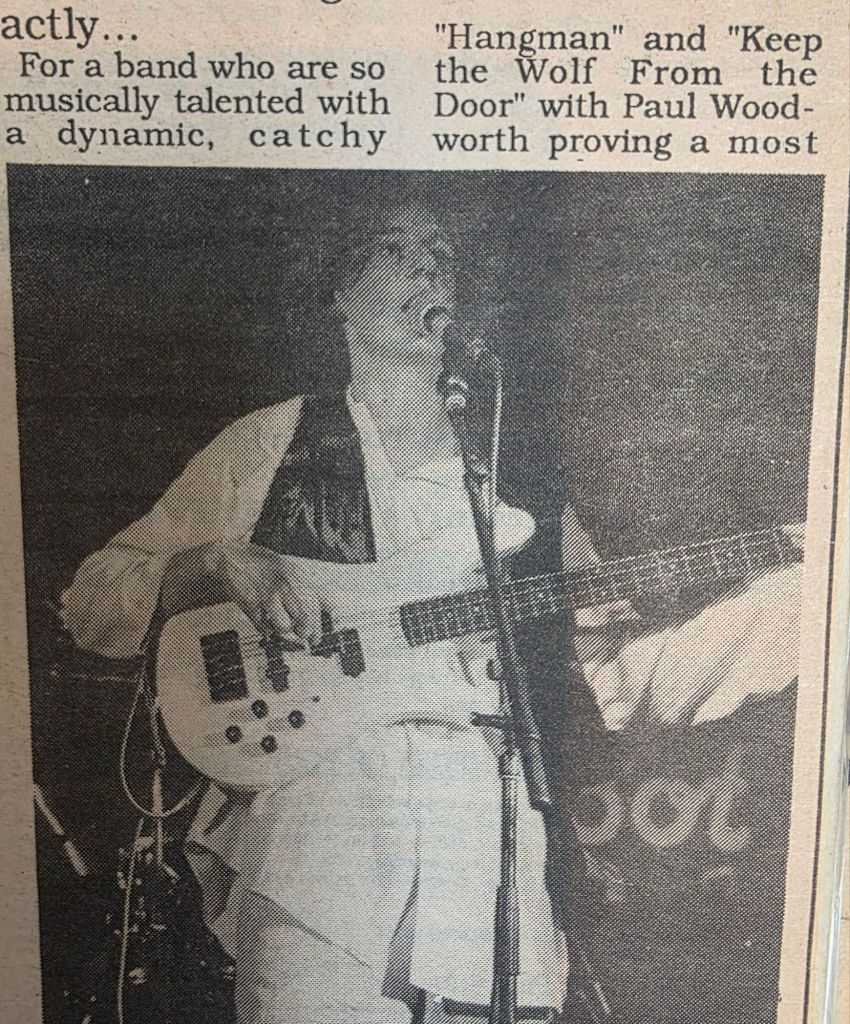
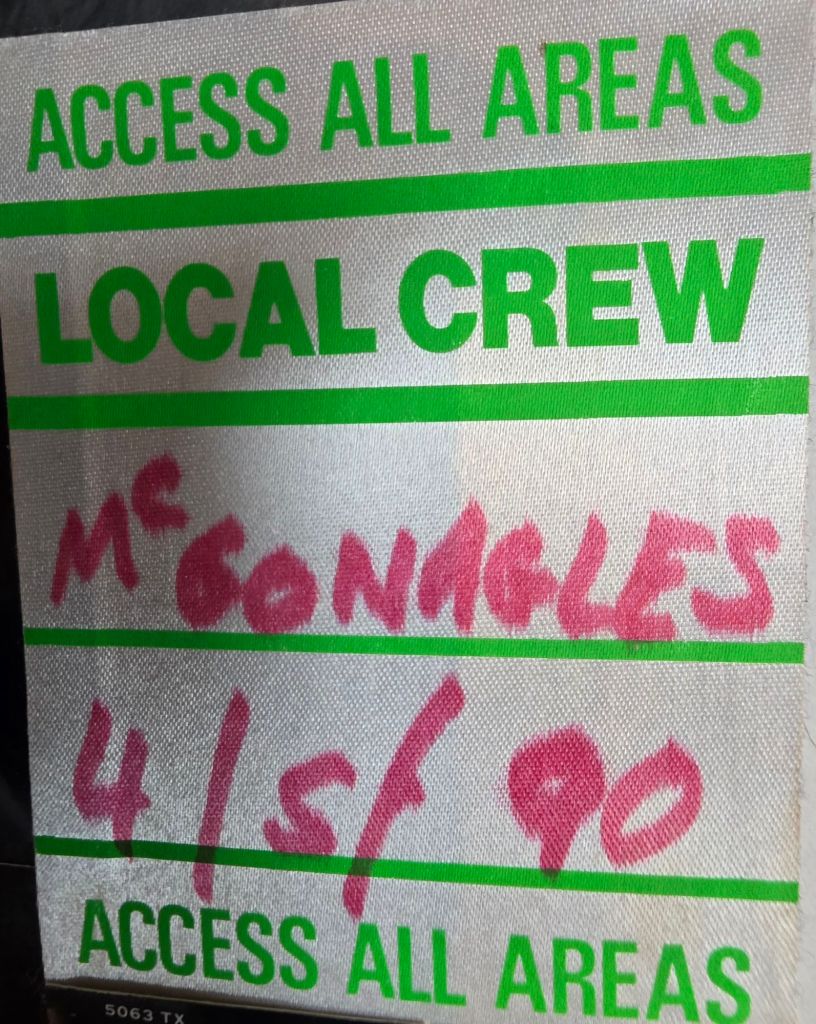
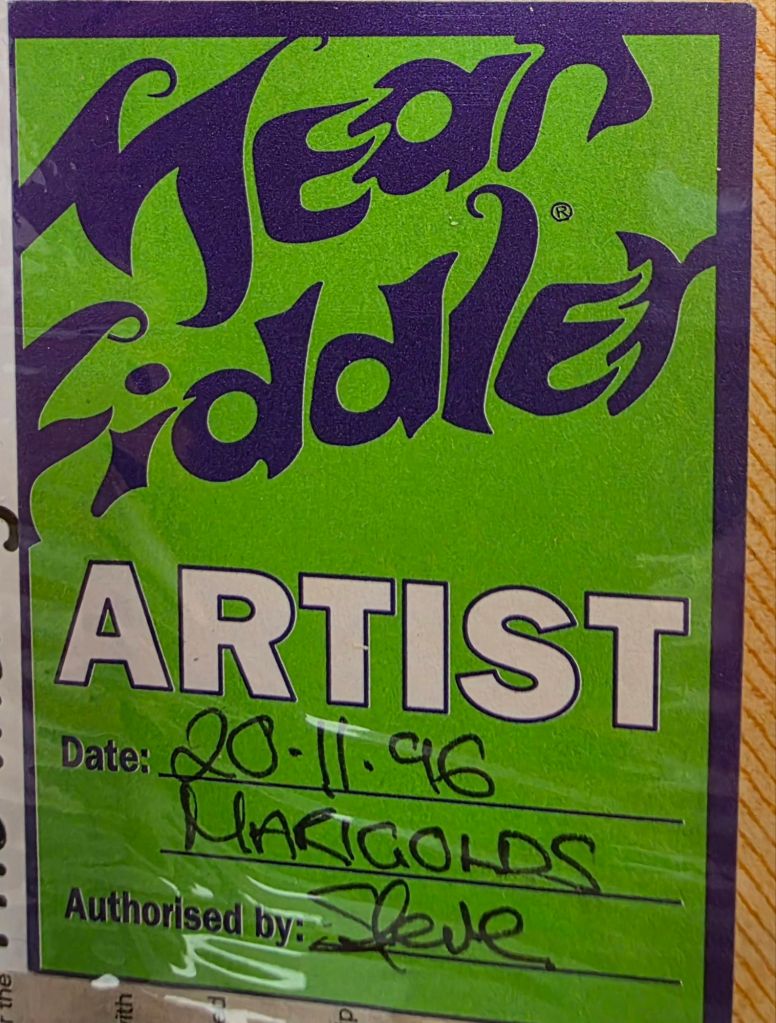
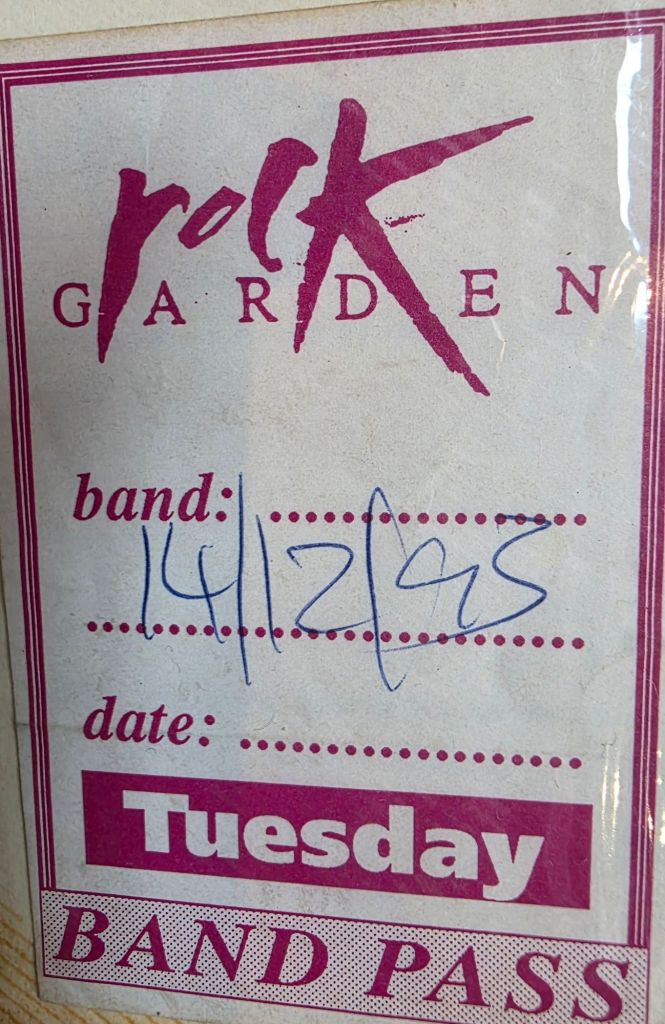
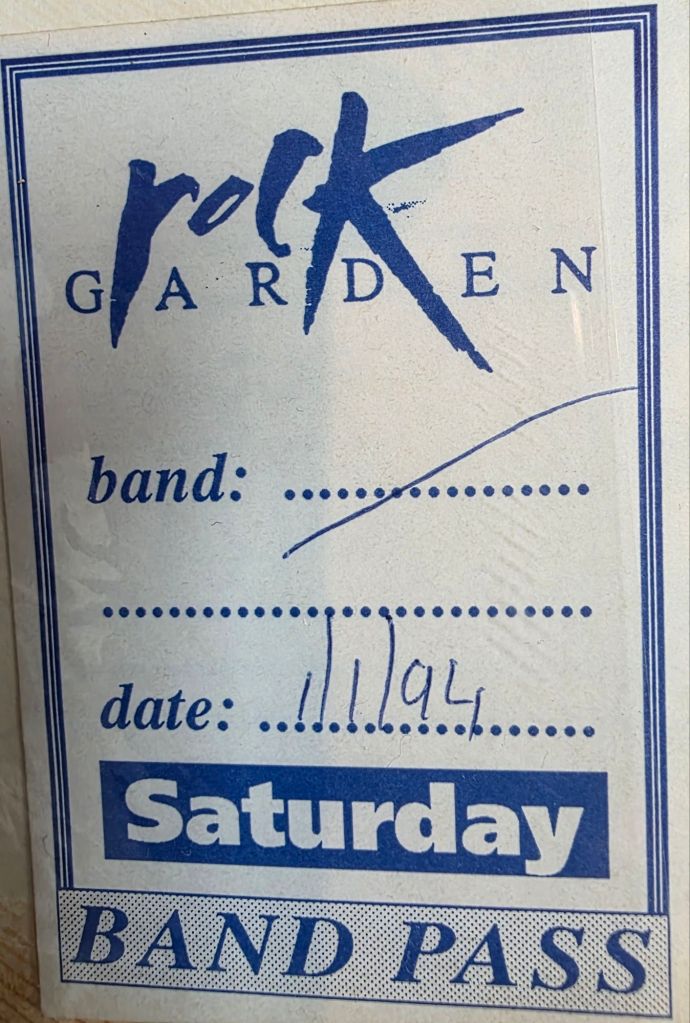
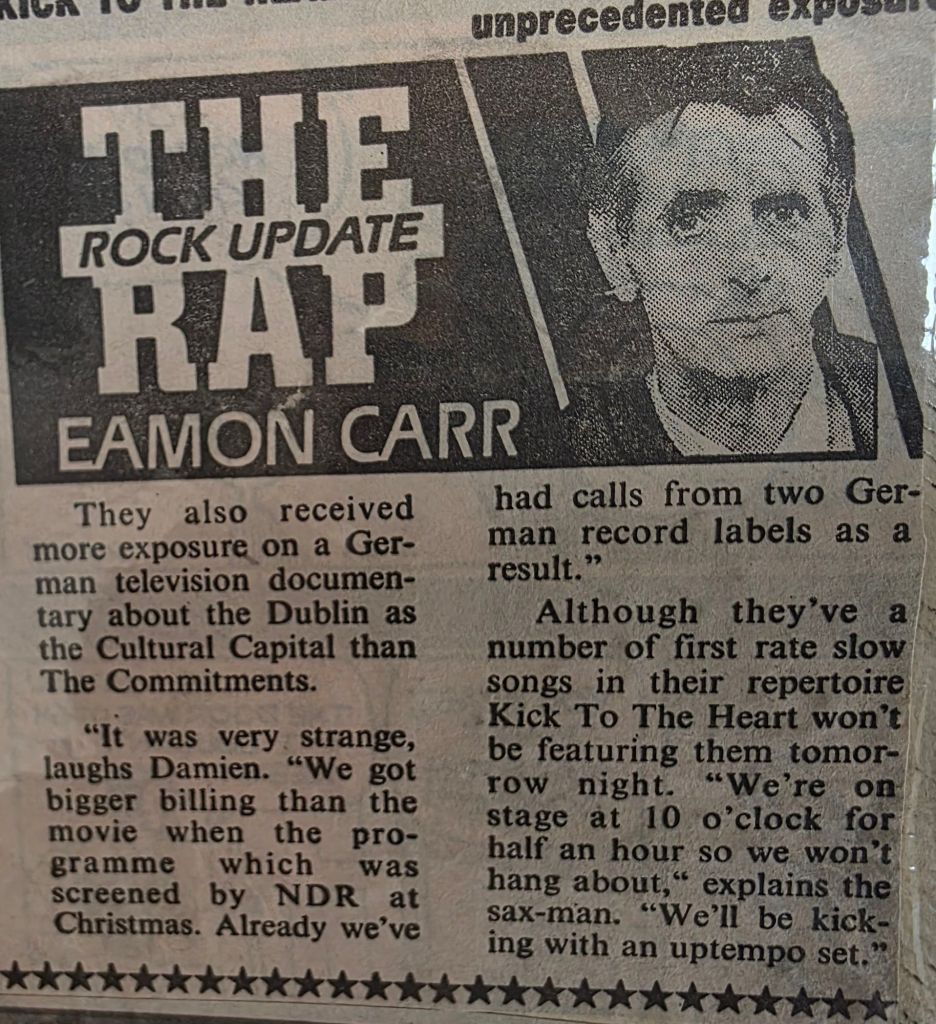
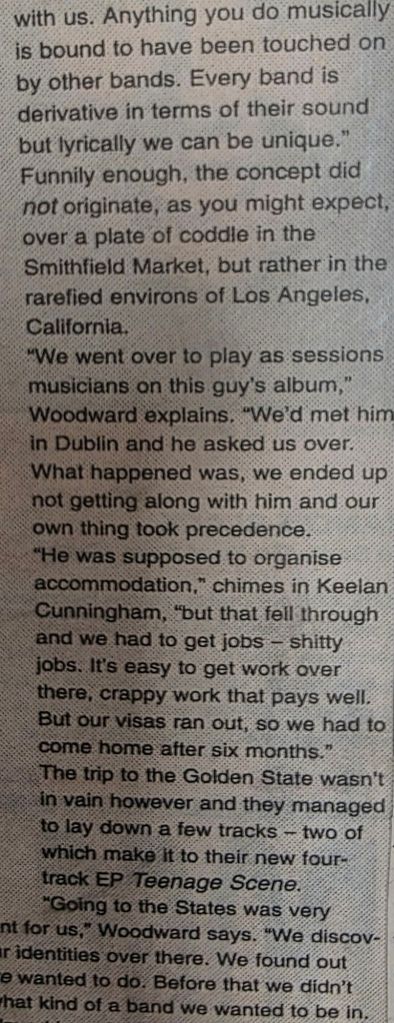
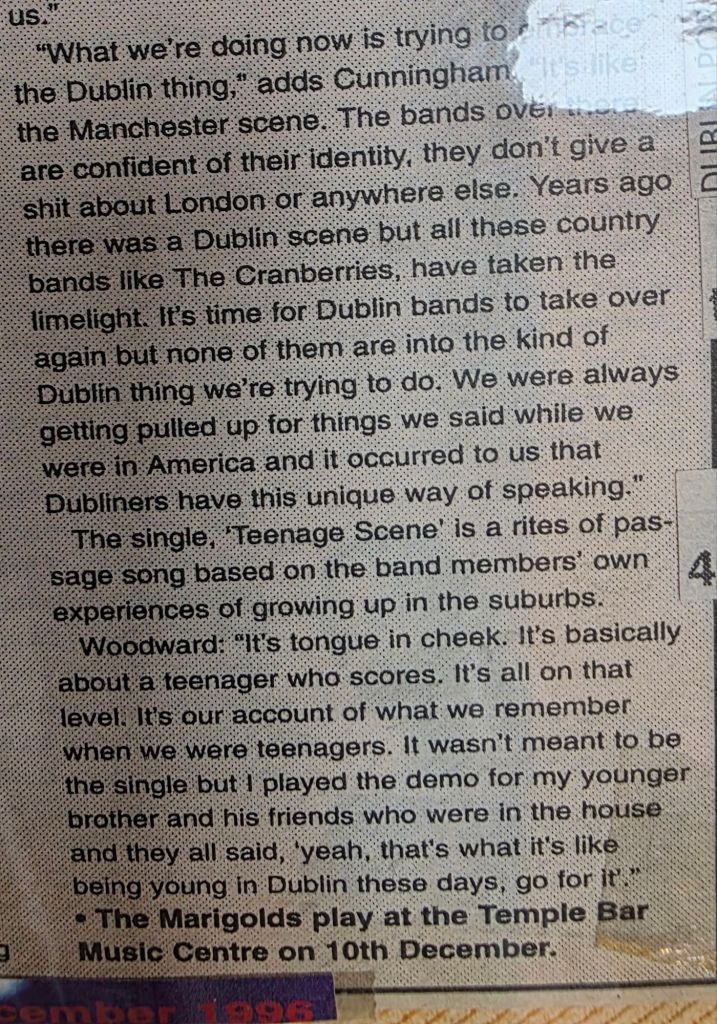
Press Archive Late 80s to Mid 90s
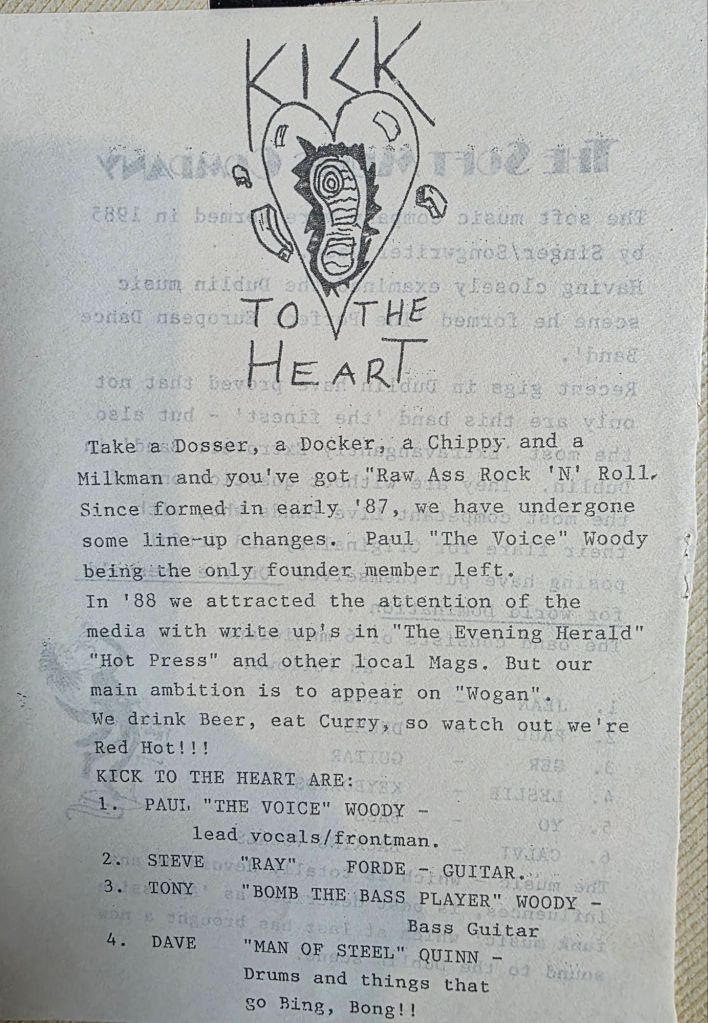
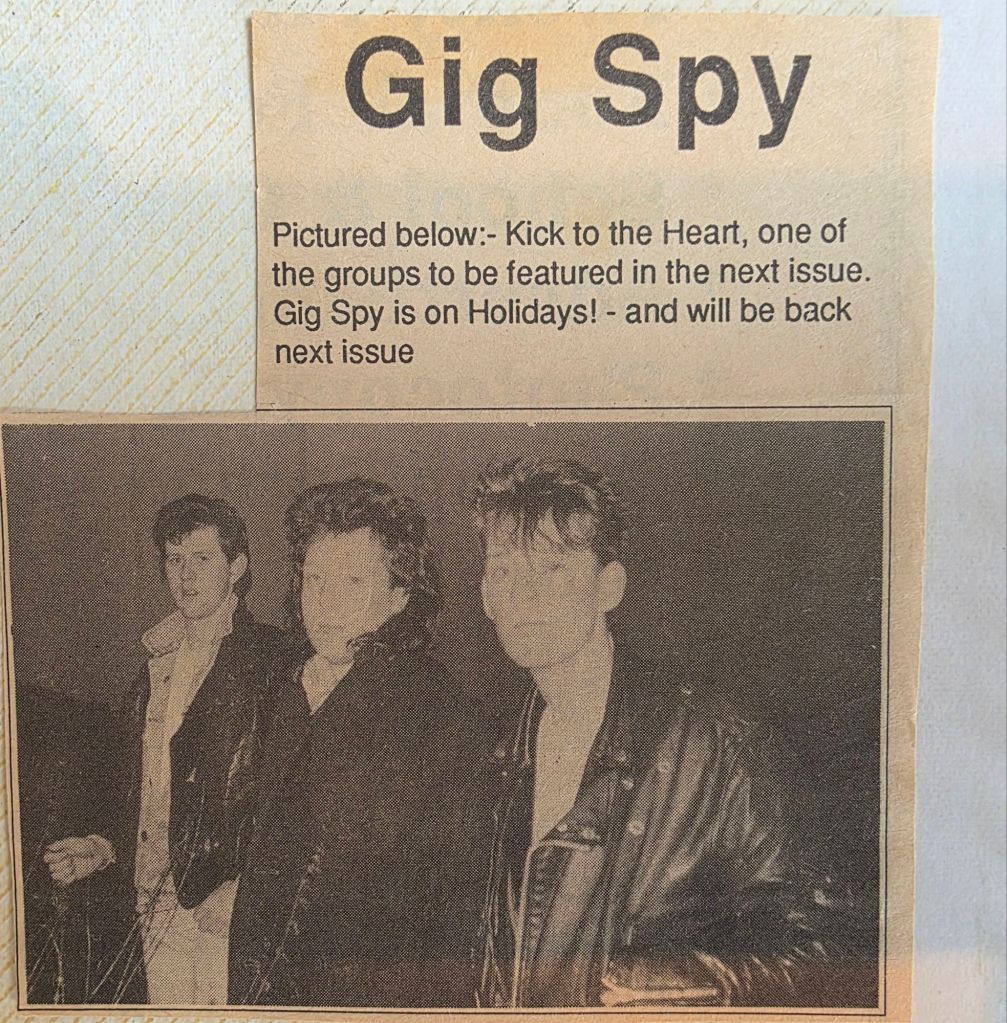
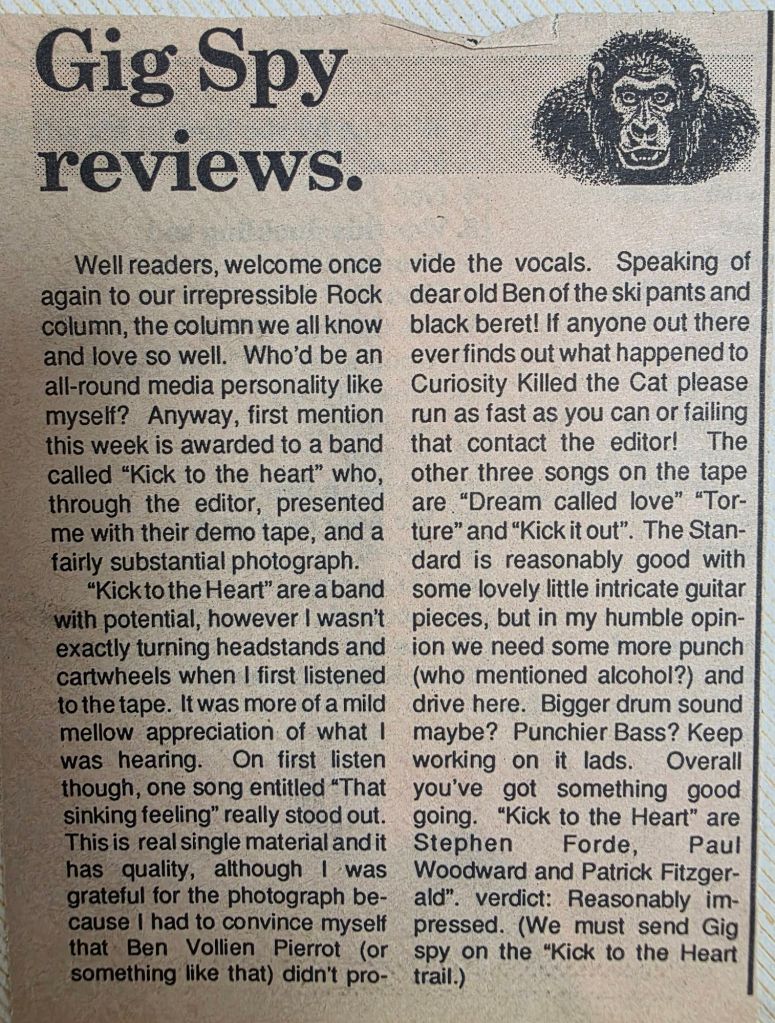
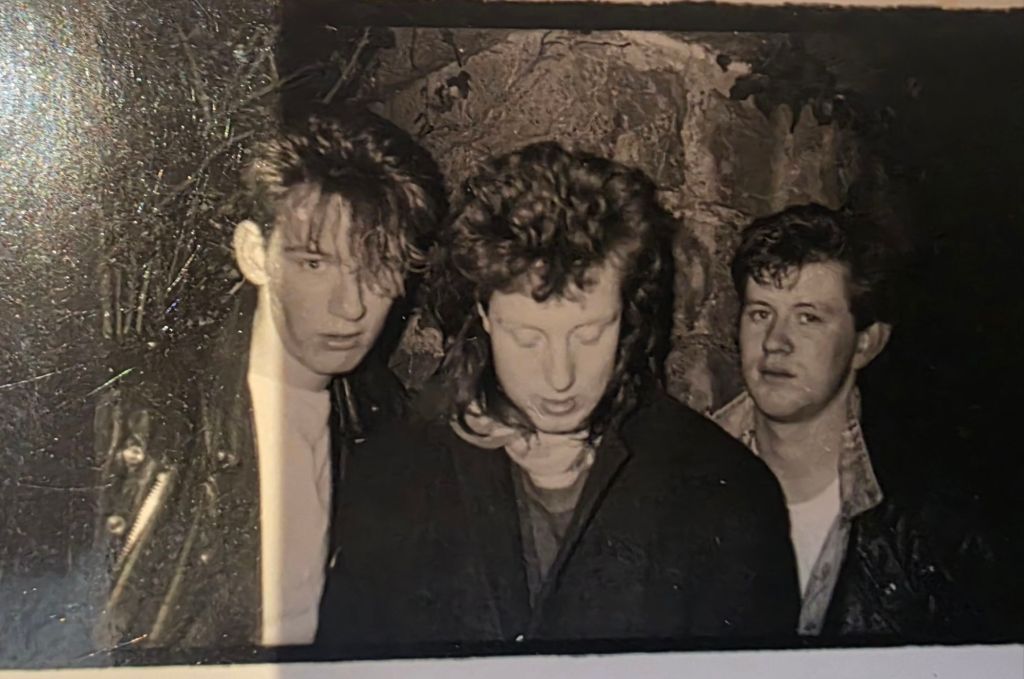
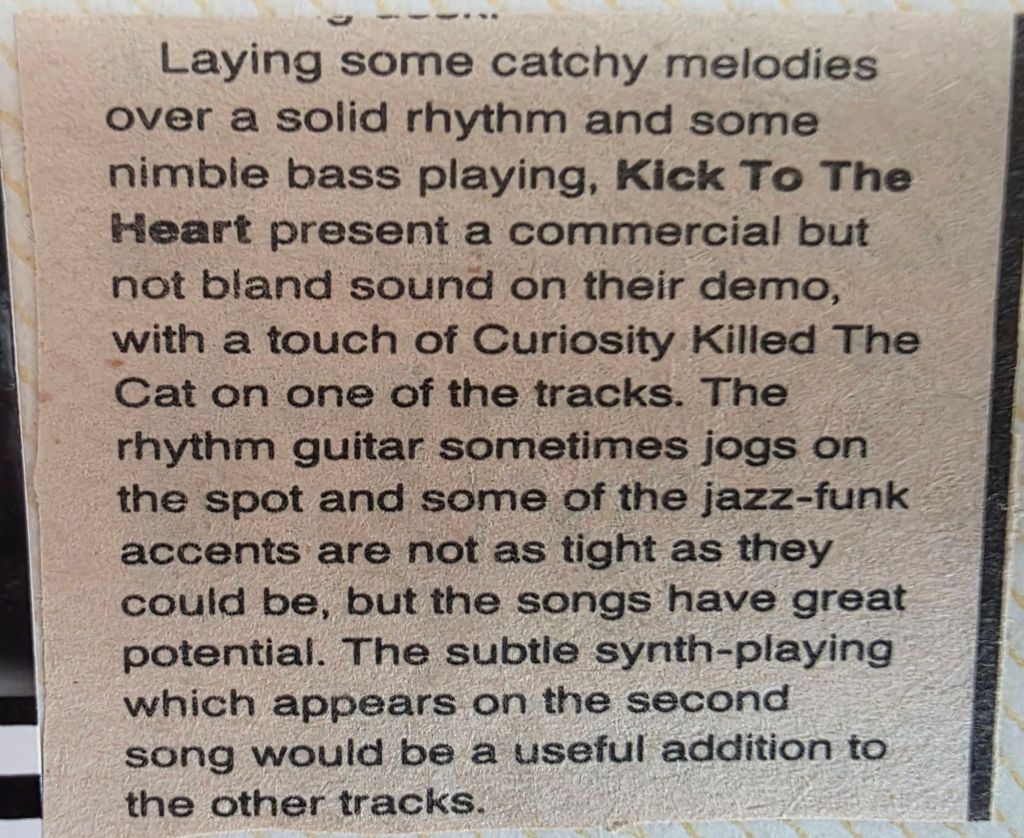
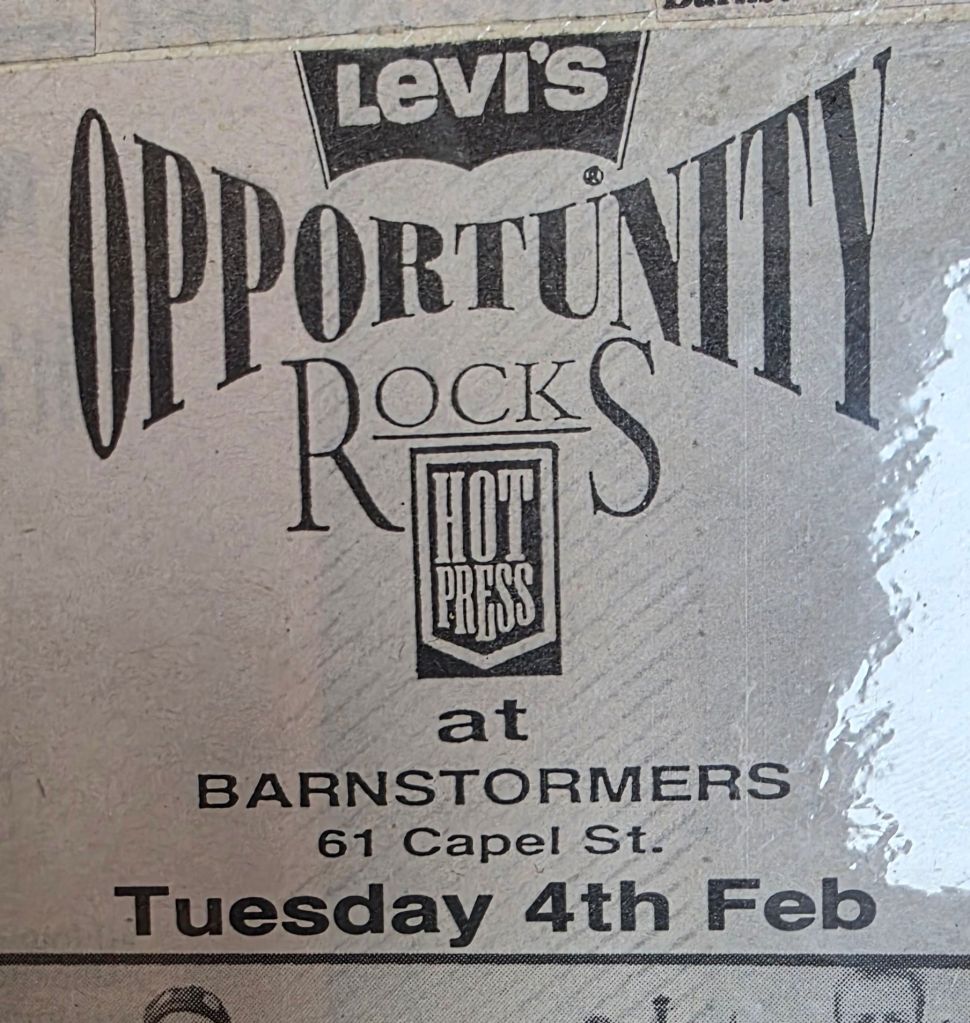
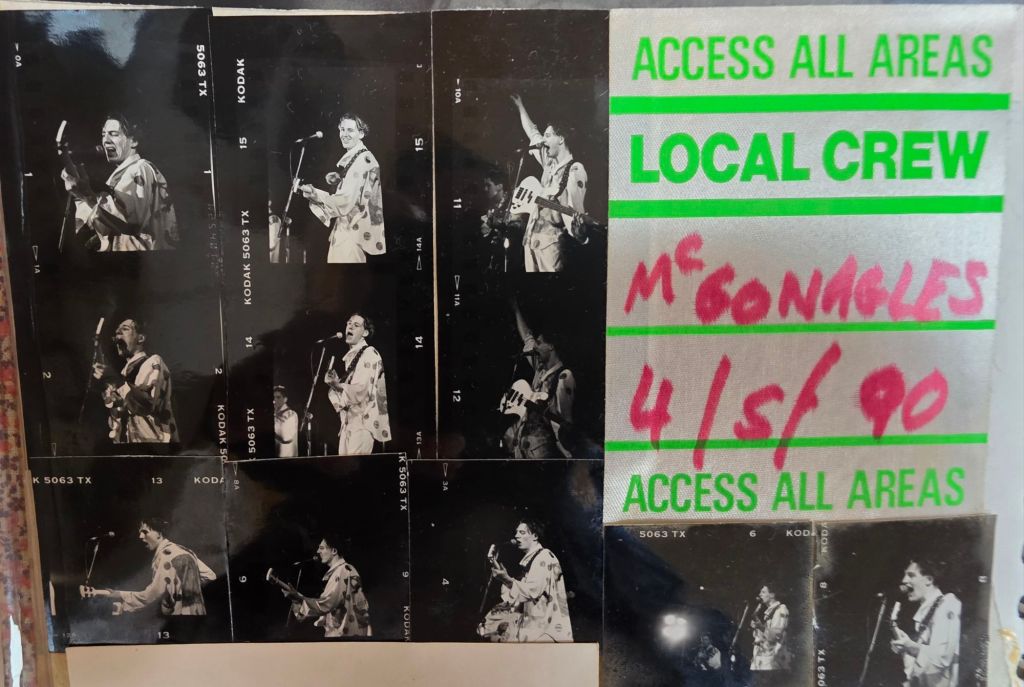
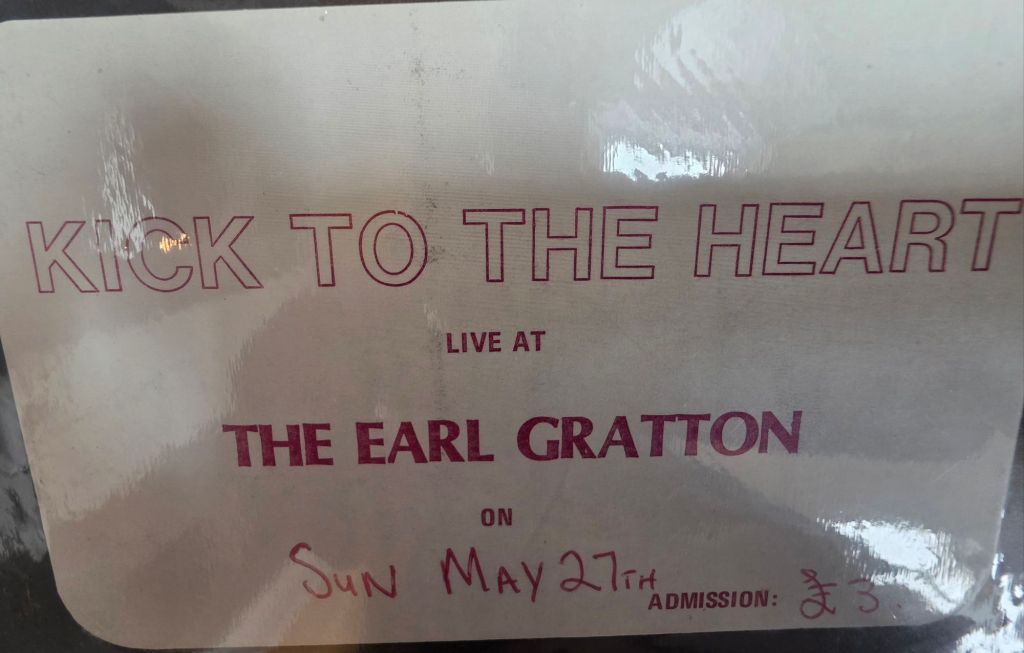
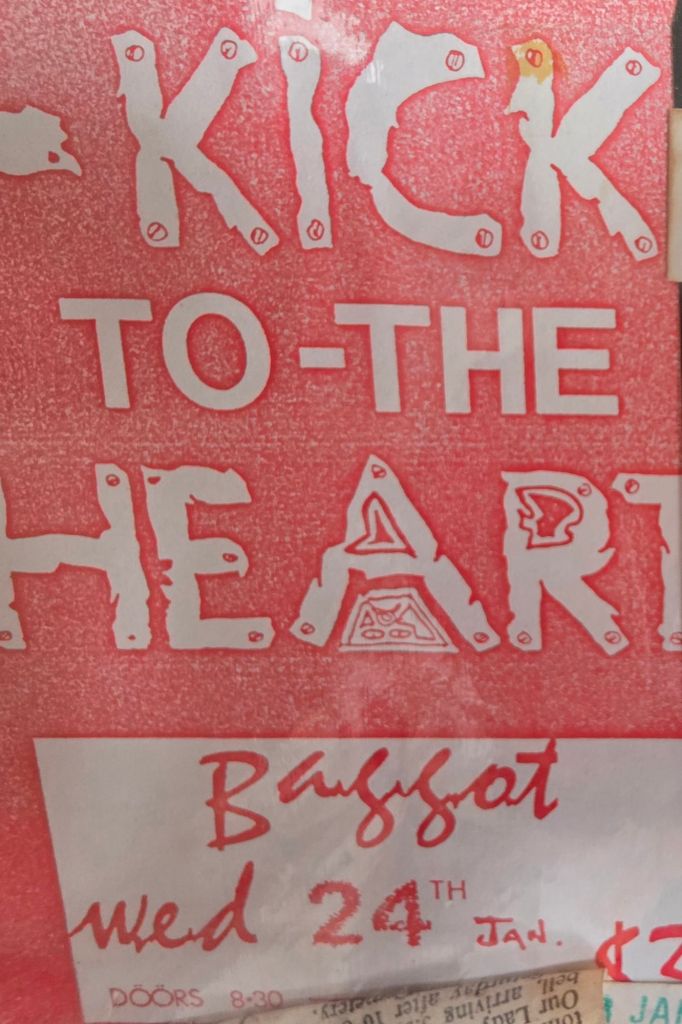
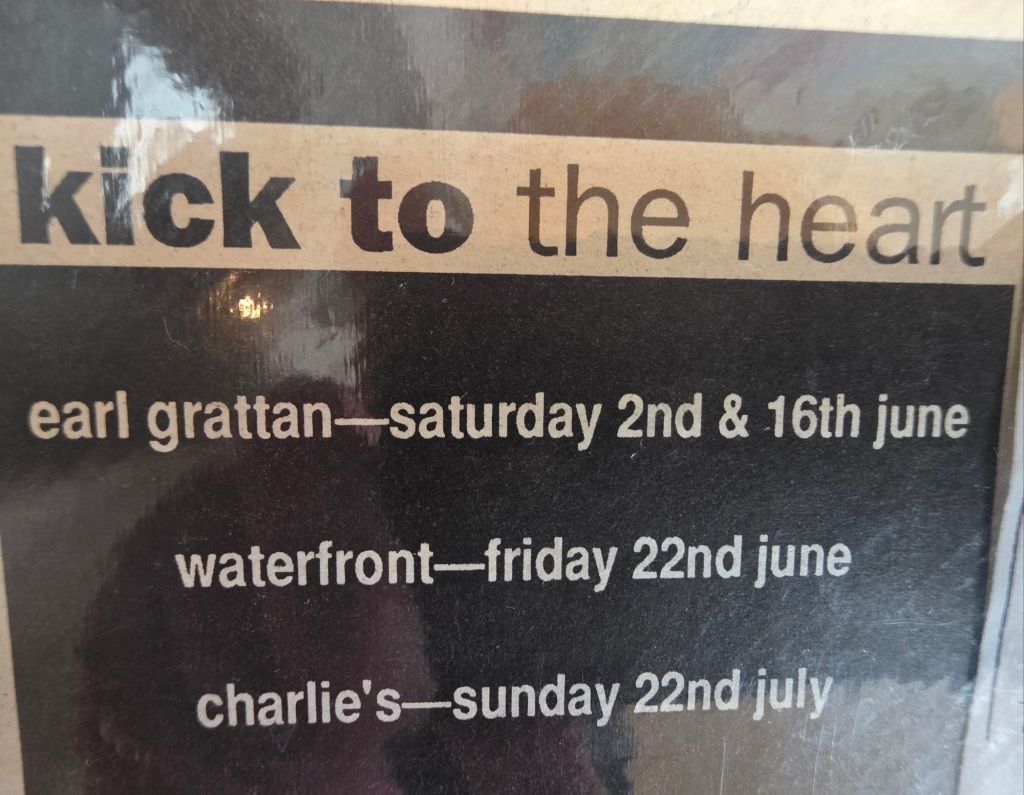
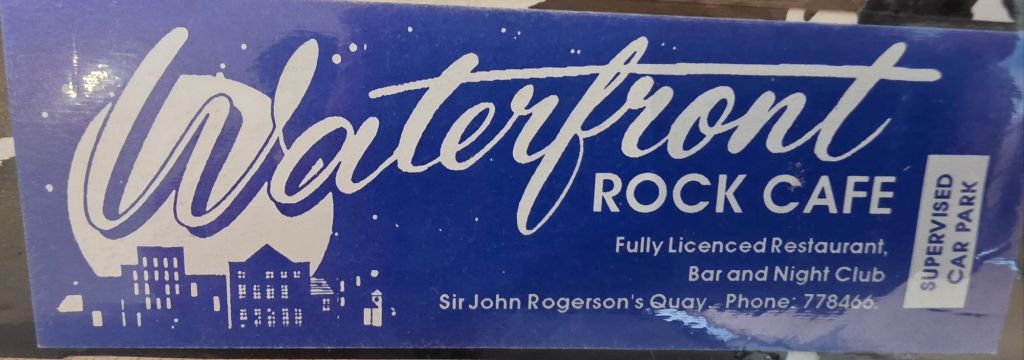
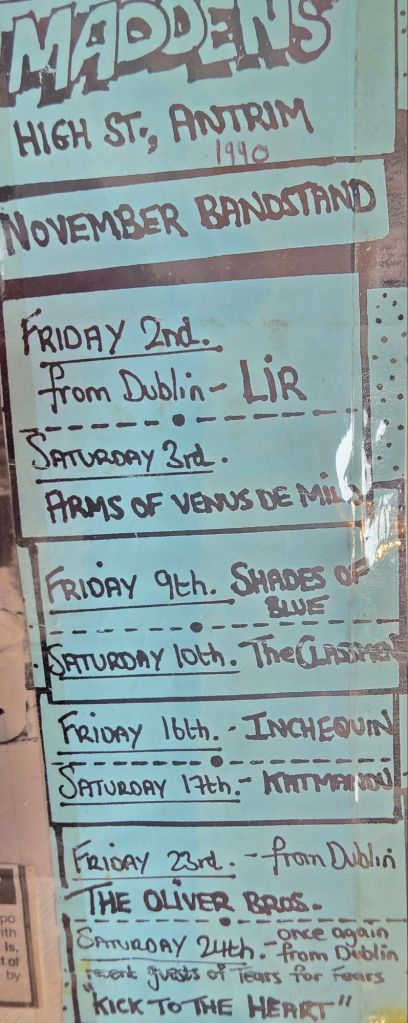
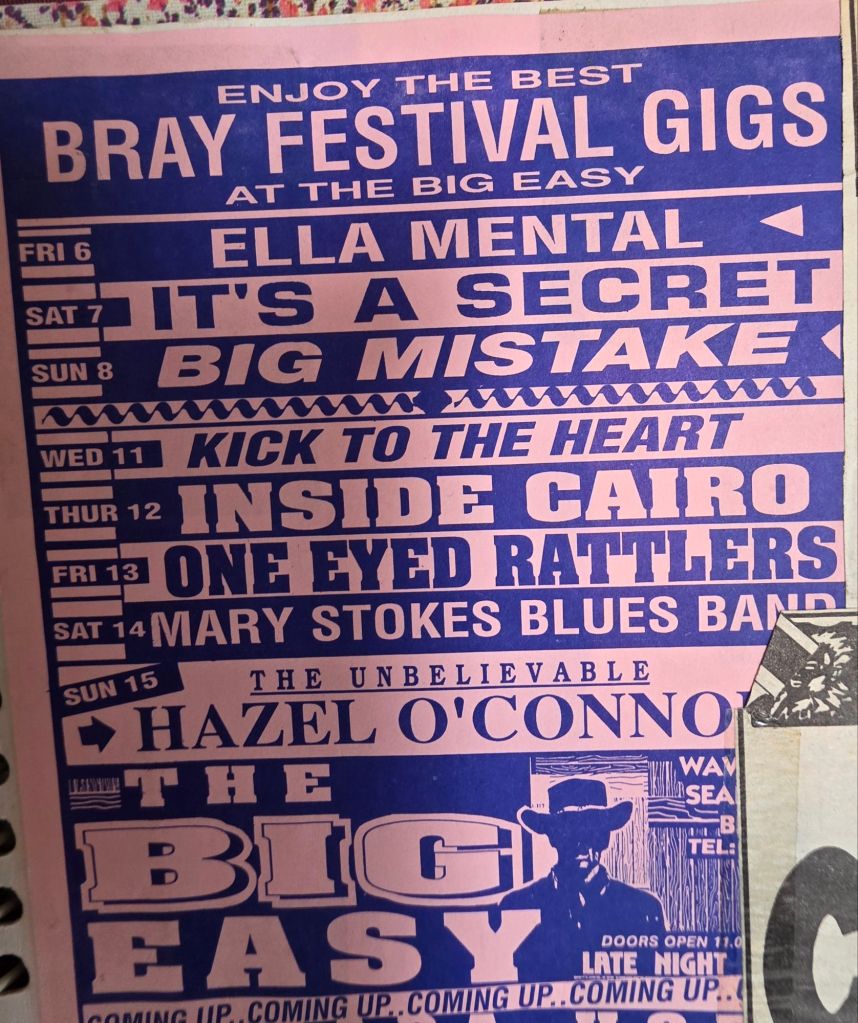
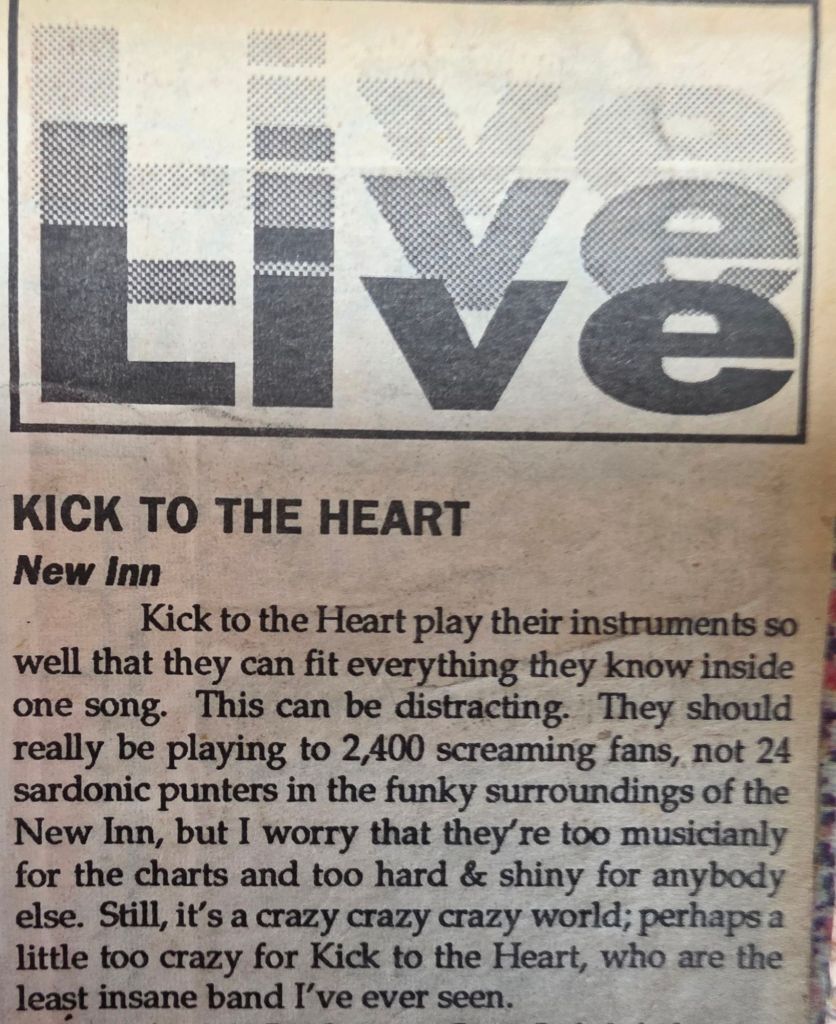
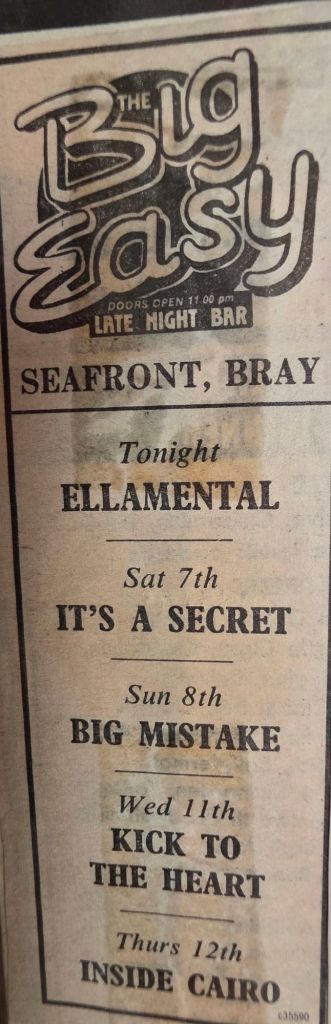
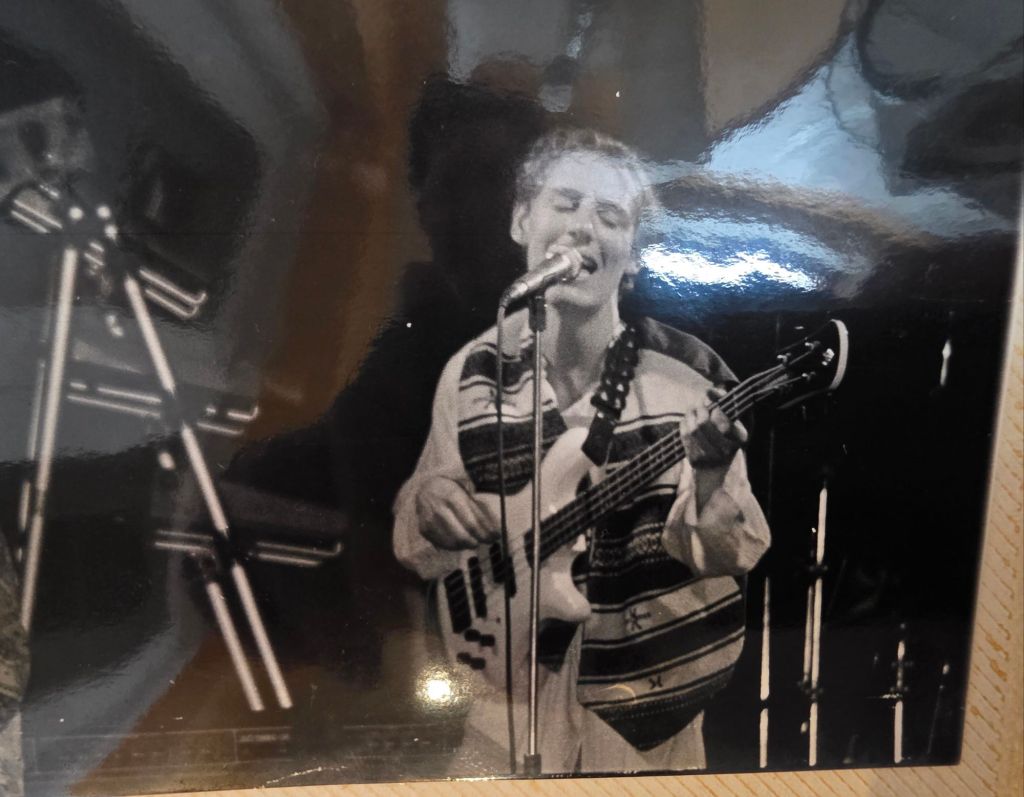
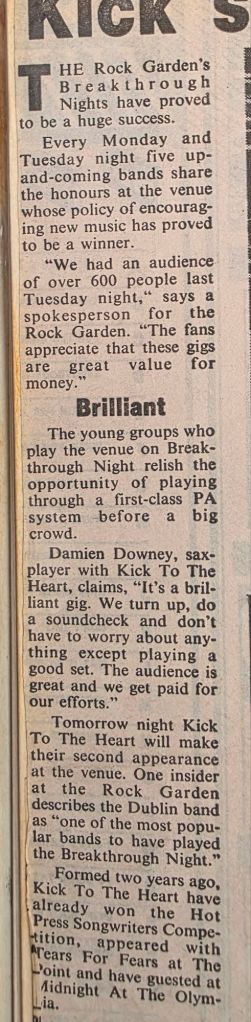
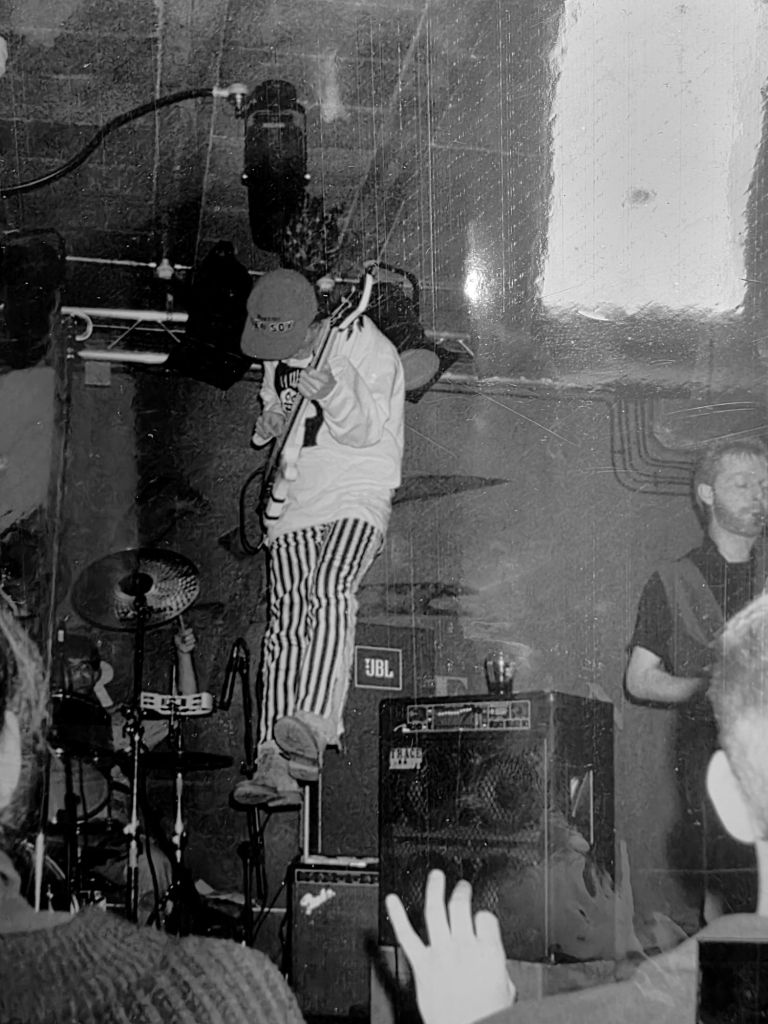
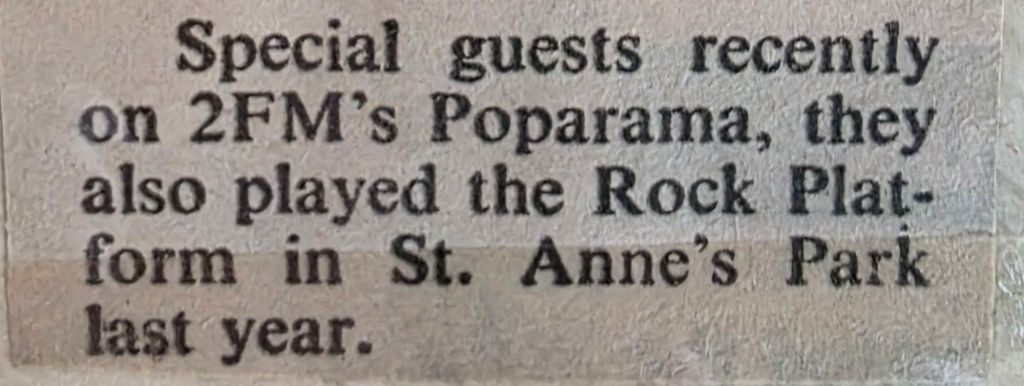
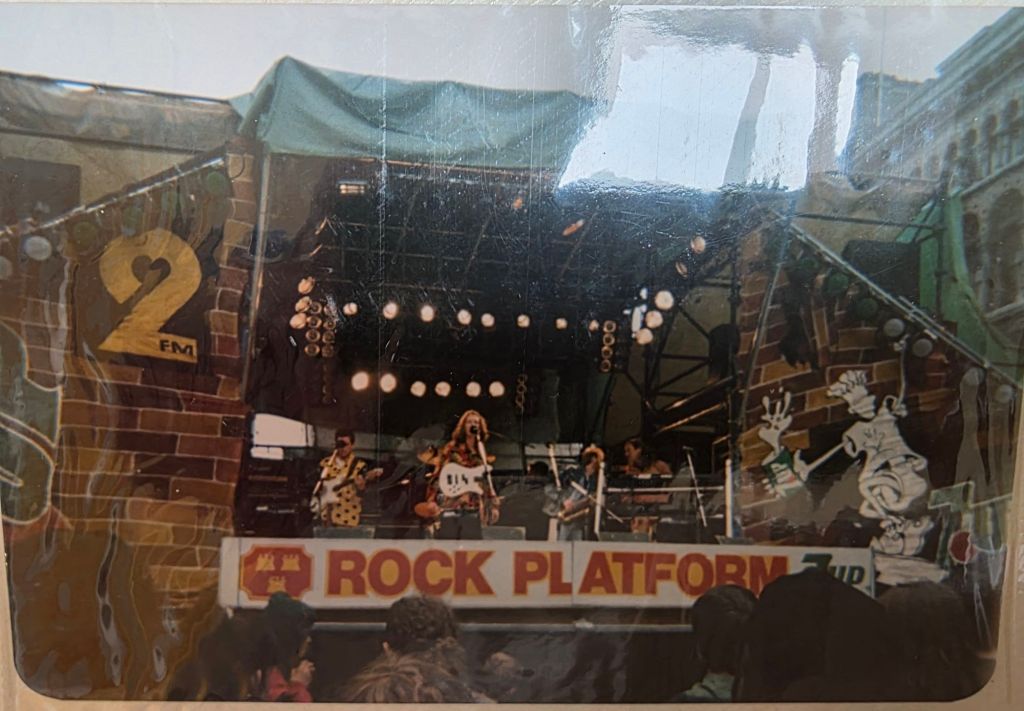
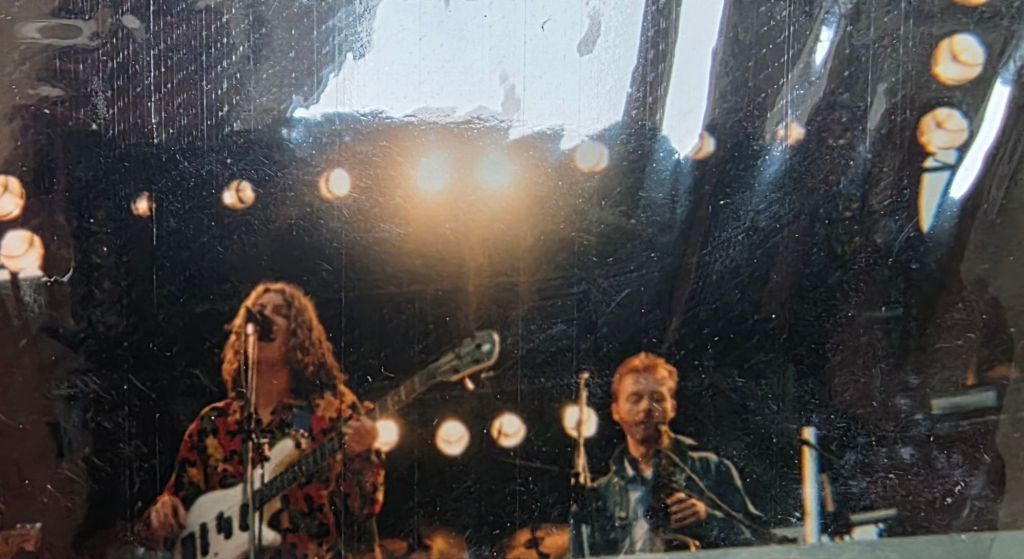
Lets talk about Drummers …In The Early 90s Kick to the Heart where playing non stop Live shows as the Irish Music Scene was so vibrant and with the momemtum growing steadly the group needed a solid Drummer who was at the top of he or shes game . The Band was accustomed to a strong rhythm section starting with Paddy Fitzgerald, who was an in demand professional musician who studied in the Collage of Music in Dublin .He would eventualy be called away with the lure of a good income playing with the likes of Dickie Rock, and Larry Hearts, and later The Memories amoung others .
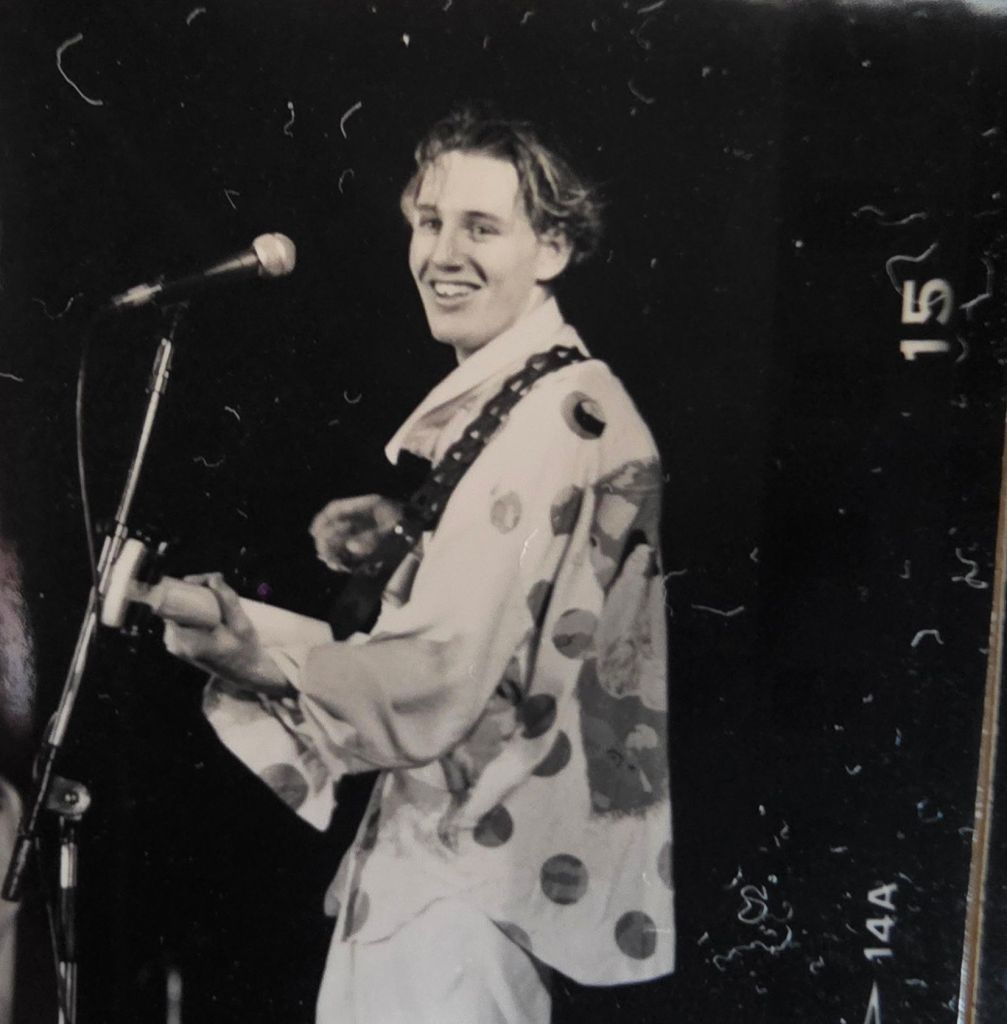
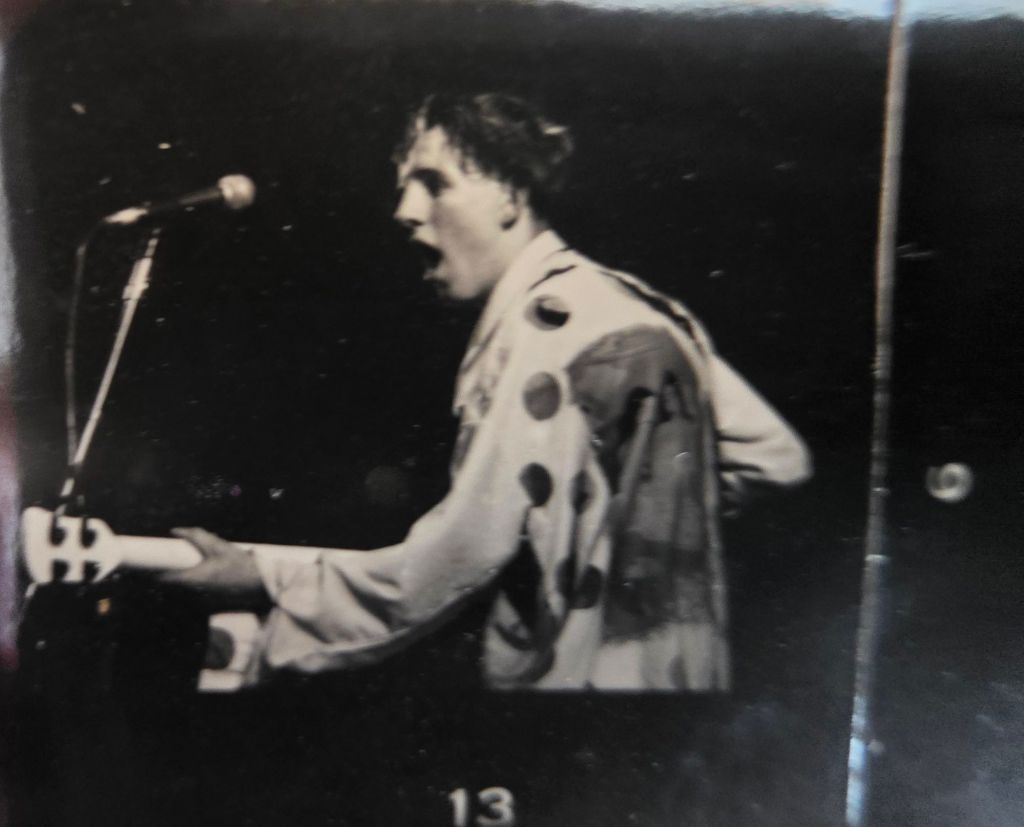
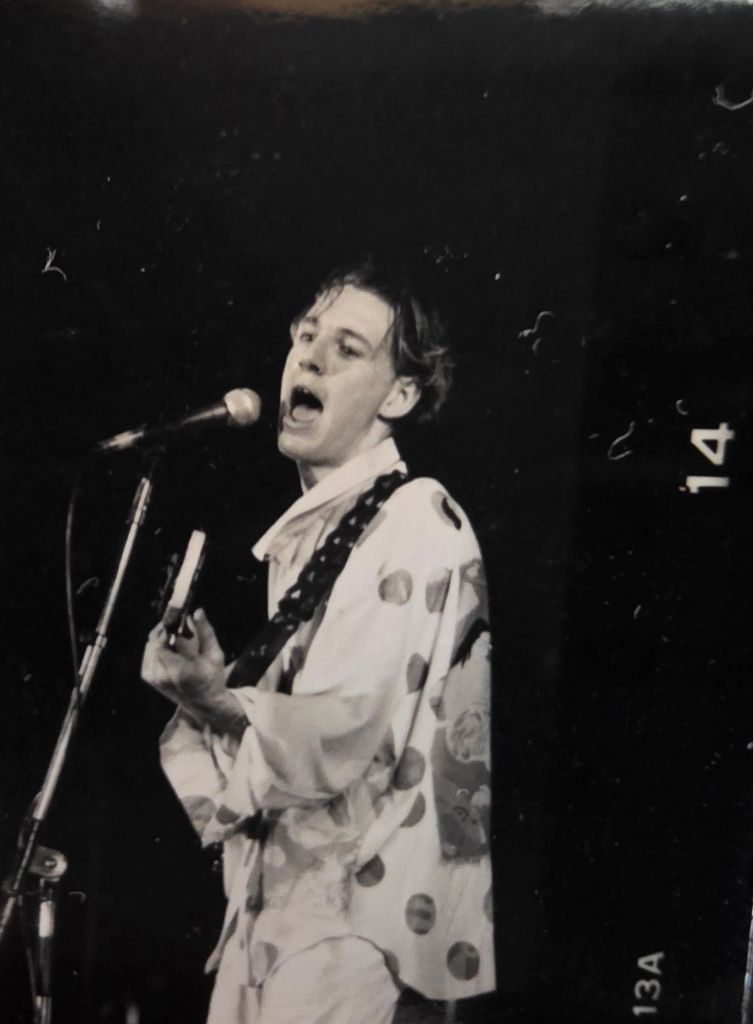
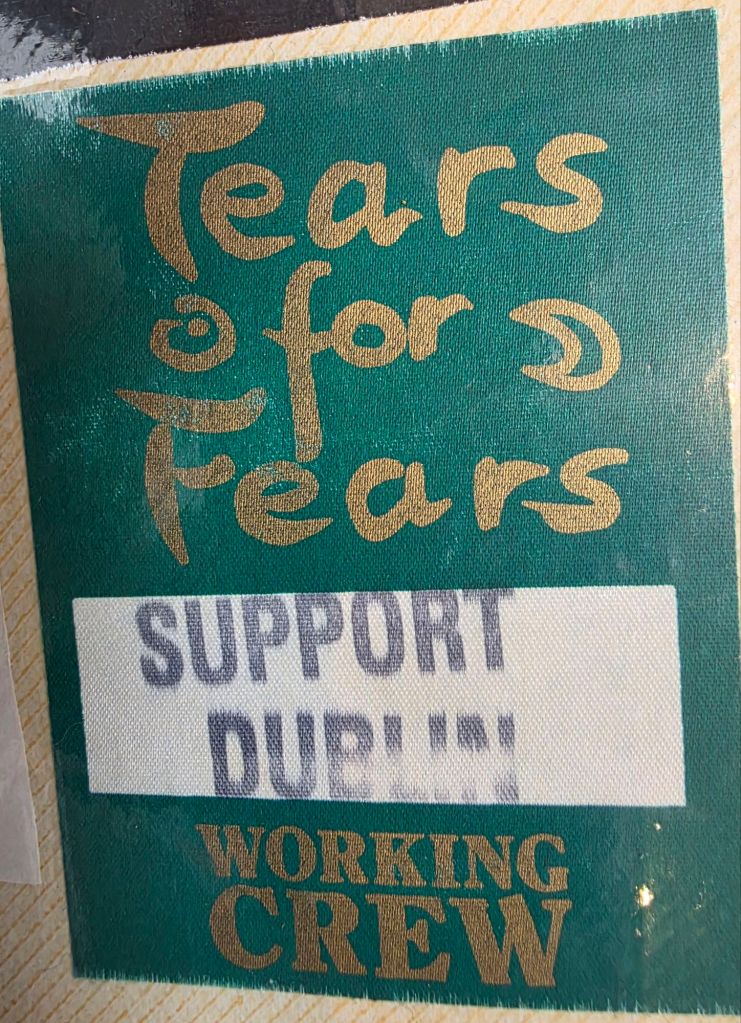
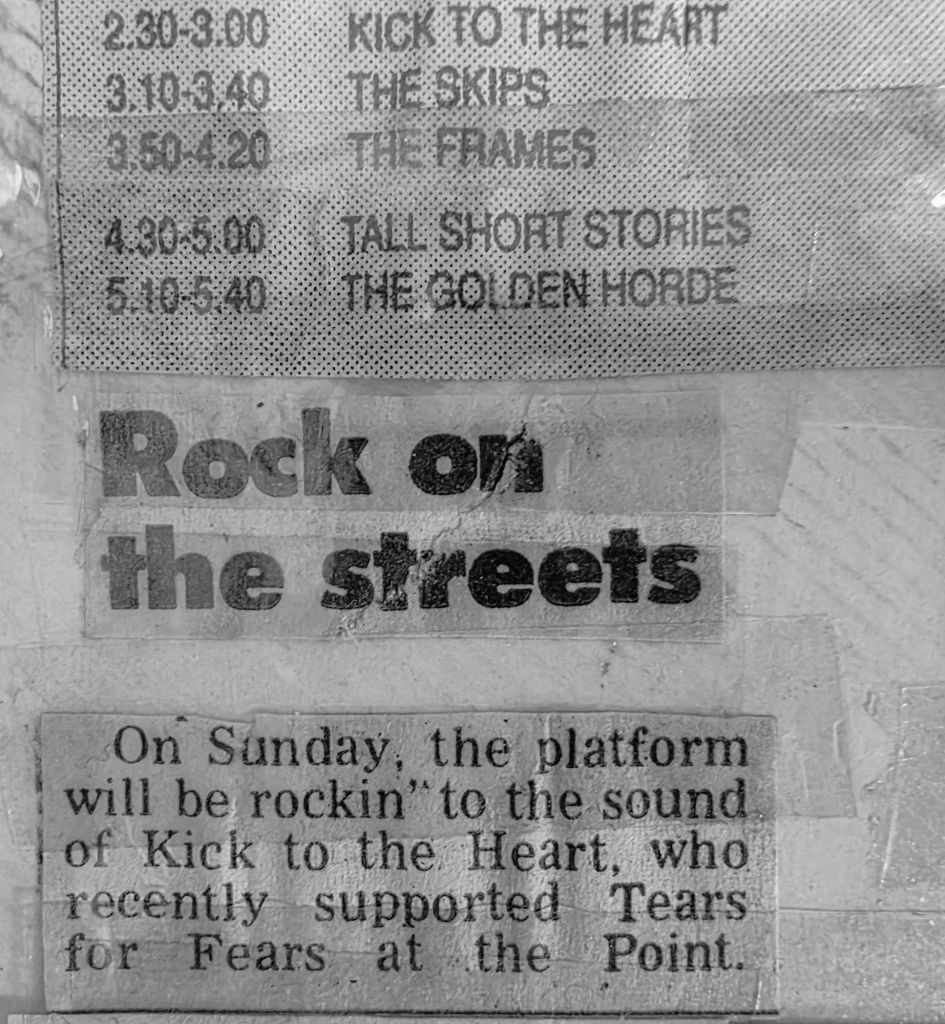
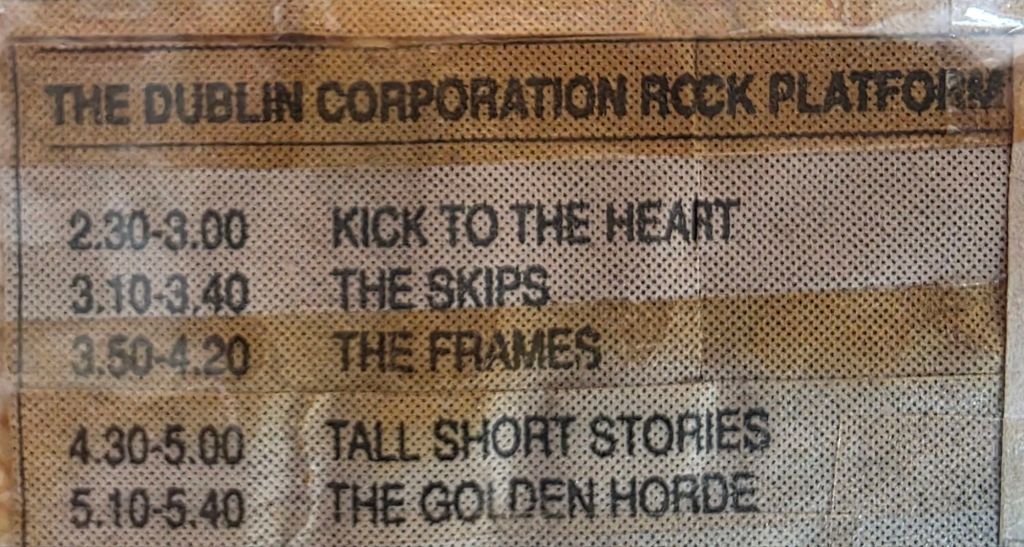
When Paddy left Kick to the Heart he was replaced by Alan Cunningham another solid drummer who would play for a short time again before having to decide between origianals and potentialy struggles, and the choice of a good living on the also thriving cover bands circuit. Alan played in the line up that played support for Tears for Fears in Dublins Point Depot in 1990 now the 3 Arena on the Sowing the Seeds of Love Tour. Indeed he is still playing sold out gigs with Irish Steely Dan Tribute band Aja .
On one Faithful morning Kick to the Heart where rehearsing beside the Dignam and Geoff band in the power station rehearsal rooms just off Liffy st in Dublin. As with most Dublin Rehesrsal Studios soundproofing was not the greatest and it was common to hear the spill coming into the rooms next door .
Drummer Willie Walsh was on the drum stool for Dignam’s new outfit and he asked Kick to thd Heart if he could sit in and play while he was on his break, as the band where using a drum machine on that day we where happy and agreed . Something clicked and the sound instantly became what would become the bands signiture sound a bit muso but still commerical and pop . Walsh finished his Irish Tour with Dignam and Geoff and then joinedthe group.
His arrival was followed by the Sax player Damien Downey who was playing with Finglas Band The Missing Link before jumping ship to play with our ever expanding line up with Walsh frim Cork on drums who was well used to playing to a click track .This was important as all previous drummers where also tight when using a click .It all amounted to provide a tight backbone a great foil for Gerry Howey’s modern Korg M1 Keyboard pads and Roland Mc 500 sequences and melodys . Kick to the Heart where contemporary fresh and commercial at last,it took work and time but the tide was about to shift in the bands favour and timing is everything in Music .
It was at this point Oliver Walsh from MCD and Solid Records started to manage the group .The sound would need to be honed a bit more so more gigs would help raise the profile of the band and give us much needed preformance experience but it was starting to take shape .
This Kick to the Heart line up would go on to record a 3 song demo in Dublin,s Ringsend Road Studio or Windmill lane 2, with Irish Producer Chris o Brien the man behind the desk for many irish hit albums including Aslan’s Feel no Shame and The Stunnings Paradise in the picturehouse .
He also produced Something Happens, Stuck together with Gods Glue. Also Albums for Hinterland, A House, the late Maire Brennan from Clannad fame . Tina Arina,The Waterboys….it goes on … oh yea a group called Westlife .
Suffice to say the resulting recordings would go on to attract an AnR intrest from England and Europe, in paticular Chrysalis records who flu in an requested a visit to Kick to the Hearts Rehearsal space located in Dublin’s Temple Bar .

• • •

- Hello World!Welcome to WordPress! This is your first post. Edit or delete it to take the first step in your blogging journey.
• • •

